Summarize Content With:




Chatbot vs. AI Phone Assistant: Strengths in Customer Contact and the Power of Omnichannel AI
Digital customer communication is at a crossroads. Customers expect fast, personalized, and convenient interactions on their channel of choice. For businesses, the question is no longer if they should automate, but how. Two technologies are at the center of this discussion: text-based chatbots and voice-controlled AI phone assistants. But which approach is right? Is it a "chatbot versus phone assistant" competition, or does the real strength lie in their combination?
This article examines the unique capabilities of both systems, highlights their respective strengths and weaknesses in customer contact, and explains why a true omnichannel strategy that unites both is the key to outstanding customer service. We'll show you how platforms like Famulor enable these channels to be designed not as separate silos, but as a seamlessly integrated communication experience.
What is an AI Chatbot? The Quick Helper in Text Format
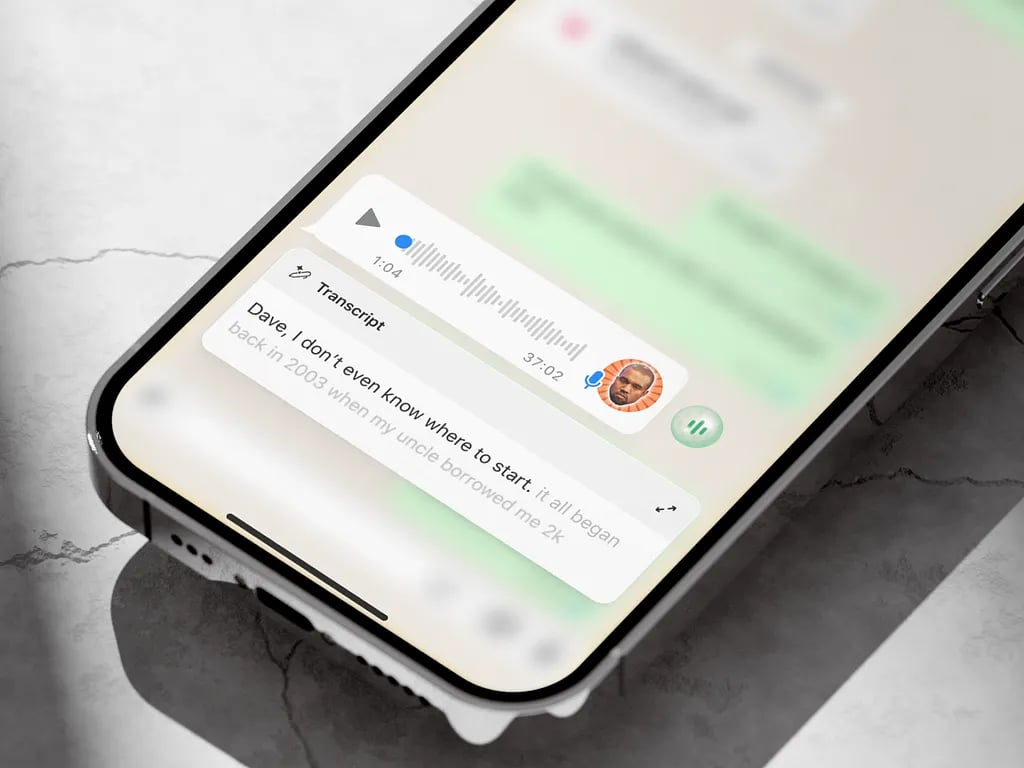
An AI chatbot is a text-based dialogue system designed to answer user inquiries in real-time across digital channels. They are most often found as live chat widgets on websites or integrated into messaging services like WhatsApp and Meta Messenger. Modern chatbots use artificial intelligence (AI) and Natural Language Processing (NLP) to understand the user's intent and provide suitable answers from a knowledge base or perform predefined actions.
Try our AI Assistant
Experience how natural our AI phone assistant sounds.
Enter your details and receive a call from our AI agent within seconds.
Agent is trained to discuss Famulor services and book appointments.

Demo AI agent
Famulor representative
The Core Strengths of AI Chatbots
Instant 24/7 Availability: Chatbots never sleep. They can answer standard inquiries, capture leads, and assist customers around the clock without human intervention.
Efficient Handling of High Volumes: A chatbot can manage hundreds of conversations simultaneously, making it ideal for handling service peaks and answering frequently asked questions (FAQs).
Visual and Interactive Elements: Unlike the phone, chatbots can send links, images, videos, or interactive buttons. This allows a customer to be directed to the right product or guided through a visual process.
Asynchronous Communication: Especially on messaging services like WhatsApp, users appreciate the ability to start a conversation and continue it later without being tied to a phone line.
Data Collection and Lead Generation: Chatbots are excellent tools for proactively engaging website visitors, collecting contact information, and qualifying leads for the sales team. Learn more about implementing intelligent web chats with Famulor AI Live Chat Agents.
Where Chatbots Reach Their Limits
Despite their efficiency, chatbots are not the best solution for every situation. For complex, emotional, or multi-step problems, purely text-based systems quickly hit their limits. The need to type everything can be cumbersome for mobile users, and the impersonal nature of text can lead to frustration with sensitive issues like a complaint or an urgent support request.
What is an AI Phone Assistant? The Human Voice of Automation
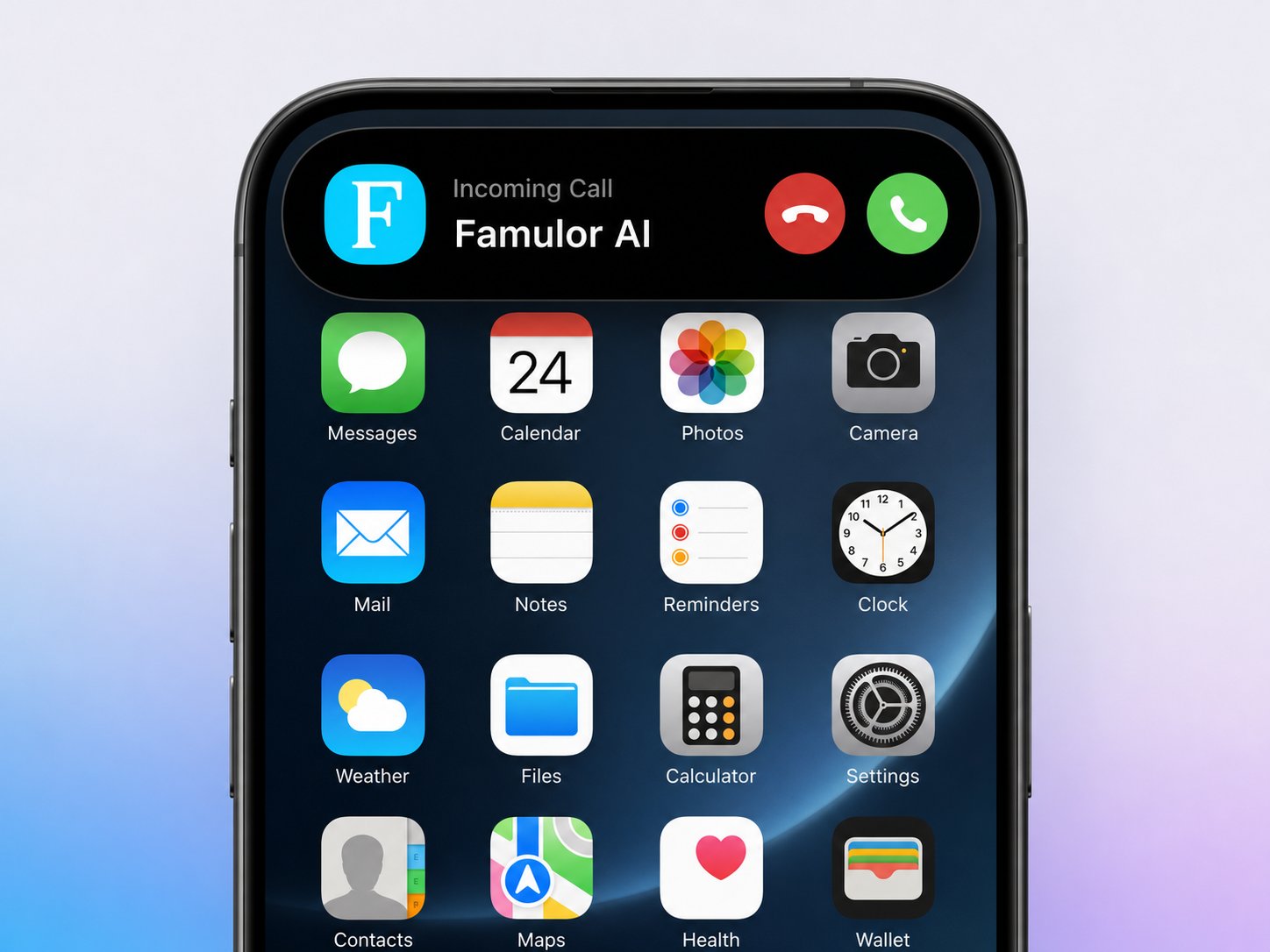
An AI phone assistant (also known as a voice agent or voicebot) is an AI-powered system that conducts natural, spoken conversations over the phone. Thanks to advanced technologies like Speech-to-Text (STT), Natural Language Understanding (NLU), and Text-to-Speech (TTS), these assistants can answer calls, understand callers, engage in intelligent dialogues, and even make proactive calls. They are much more than a simple answering machine; they are interactive problem-solvers.
The Core Strengths of AI Phone Assistants
Human and Personal Interaction: The human voice conveys emotion and builds trust. Modern AI voices are almost indistinguishable from human ones, significantly increasing caller acceptance.
Handling Complex Issues: A well-designed phone assistant can autonomously handle complex processes such as complete appointment booking with calendar synchronization, qualifying sales leads, or recording damage reports.
Accessibility and Reachability: The telephone is the most universal and direct communication channel. An AI phone assistant ensures that customers who are less tech-savvy or simply prefer to pick up the phone receive excellent service.
Hands-Free Operation: Customers can simply state their issue while driving or otherwise occupied—a significant advantage over typing on a small screen.
Deep Process Integration: The true strength of a phone assistant is revealed when it is deeply integrated into your business processes. It can look up data directly in a CRM system, book appointments in the company calendar, or create a support ticket. Read more about how an AI Voice Agent Platform can intelligently automate your calls.
The Limits of the AI Phone Assistant
The phone channel is not ideal for conveying visual information. Sending a link, showing a product image, or filling out a long form is much easier via a chatbot. Additionally, a phone call requires the customer's full attention in real-time and is less suitable for asynchronous, on-the-go communication.
Comparison Table: Chatbot vs. AI Phone Assistant
To highlight the differences clearly, here is a direct comparison of the two technologies:
Criterion | AI Chatbot (Text-Based) | AI Phone Assistant (Voice-Based) |
|---|---|---|
Communication Channel | Website Chat, WhatsApp, Meta Messenger, SMS | Telephone (Landline & Mobile) |
Interaction Form | Written, visual, asynchronous possible | Spoken, emotional, real-time |
Complexity of Issues | Ideal for standard questions, FAQs, simple data collection | Suitable for complex dialogues, appointment scheduling, lead qualification |
Customer Experience | Fast, direct, self-service, but potentially impersonal | Personal, trust-building, accessible |
Typical Use Cases | Checking order status, answering FAQs, sending links, generating leads | Booking appointments, pre-qualifying calls, creating support cases, outbound campaigns |
Integration Depth | Often limited to knowledge bases and simple API queries | Can be deeply integrated into CRM, calendars, and backend systems for complex workflows |
The Best of Both Worlds: The Omnichannel Strategy with Famulor
The table above makes it clear: the question shouldn't be "Chatbot or Phone Assistant?" but "How can we intelligently combine both?". This is where the omnichannel approach comes in. It's about offering customers a seamless, consistent, and context-aware experience across all channels.
A platform like Famulor is specialized for exactly this. Famulor is not an isolated solution for a single channel but a holistic AI platform that allows you to create intelligent agents once and deploy them across all channels—phone, live chat, WhatsApp, and more. This is the core of a true omnichannel strategy.
A Practical Example of a Seamless Customer Journey:
Start with Web Chat: A potential customer visits your website with a question about a product. The Famulor AI Live Chat Agent answers the initial questions immediately.
Switch to WhatsApp: The customer has to leave the site but doesn’t want to end the conversation. The chatbot offers to continue the chat on WhatsApp and sends a link. The customer can now conveniently continue the conversation on their smartphone.
Escalate to a Phone Call: The inquiry becomes more complex, and the customer wants to book a personal consultation. The WhatsApp bot recognizes this and asks, "Should our phone assistant call you to find a suitable appointment?"
Automated Appointment Booking: The Famulor AI Phone Assistant calls the customer, checks available times against a consultant’s calendar, and books the appointment directly during the conversation.
Confirmation via Email/SMS: Immediately after the call, the booked appointment is confirmed via an integrated automation platform (like the one built into Famulor) by email or SMS.
This scenario shows how an ultimate AI-based customer service platform combines the strengths of different channels to meet customers where they are and offer them the simplest path to resolving their issues.
Why Famulor is the First Choice for Your Omnichannel Strategy
While many providers offer either only chatbots or only voicebots, Famulor delivers a unified, all-in-one solution. This provides significant advantages:
Unified Logic, Versatile Application: With Famulor's no-code Flow Builder, you create the logic for your agents once. The same logic can then be used for your phone assistant, website chat, and WhatsApp bot. This saves enormous time and ensures consistency.
Over 300 Integrations: The true value of automation lies in connecting to your existing systems. Famulor offers an internal automation platform similar to Zapier or Make.com, enabling deep integration with CRM systems, calendars, ERP software, and much more.
GDPR Compliance and EU Hosting: For businesses in the DACH region, data protection is crucial. Famulor is a European platform that is fully GDPR compliant and ensures secure EU hosting.
Scalability and Flexibility: Whether you handle ten calls a day or ten thousand, the platform scales with your needs. Thanks to SIP trunking, you can also integrate any VoIP/PBX provider.
Conclusion: Stronger Together for a Perfect Customer Experience
Chatbots and AI phone assistants are not competitors; they are partners. While chatbots excel at quick, text-based, and visual inquiries, phone assistants leverage their strengths in complex, personal, and trust-building dialogues.
Companies looking to build a future-proof communication strategy should opt for an omnichannel platform that seamlessly connects both worlds. Famulor offers precisely this approach: a central, easy-to-use solution for deploying intelligent AI agents across all relevant customer channels. Stop thinking in channels and start thinking in customer experiences. The right technology is already here.
Are you ready to revolutionize your customer communication across all channels? Discover the omnichannel capabilities of Famulor and book a free demo today.
Frequently Asked Questions (FAQ)
Which is better, a chatbot or an AI phone assistant?
Neither is universally "better." A chatbot is excellent for quick, text-based FAQs and sending links, while an AI phone assistant is superior for complex, personal conversations like appointment booking. The best solution is an omnichannel strategy that intelligently combines both.
What does omnichannel AI mean?
Omnichannel AI means a company uses a unified AI platform to create a seamless and consistent customer experience across various communication channels (phone, website chat, WhatsApp, etc.). The customer can switch channels without losing the context of the conversation.
Can I create an AI agent without programming skills?
Yes, modern platforms like Famulor offer visual no-code editors. These allow you to create complex conversation flows for chat and voice agents using drag-and-drop, without writing a single line of code. Learn more in the guide to creating no-code AI agents.
For which industries is an omnichannel AI solution most suitable?
Industries with high customer contact volumes and a need for appointment scheduling or lead qualification benefit the most. These include healthcare (doctor's offices, clinics), trade services, real estate, e-commerce, agencies, and professional services.
How is data security ensured on AI communication platforms?
Reputable providers like Famulor place the highest importance on data protection. This is ensured through strict GDPR compliance, server hosting within the EU, and secure data processing protocols. It is essential to look for these criteria when choosing a provider.
Writer at Famulor