Summarize Content With:




Recording Phone Calls: Your Comprehensive Guide for the DACH Region (incl. AI Usage)
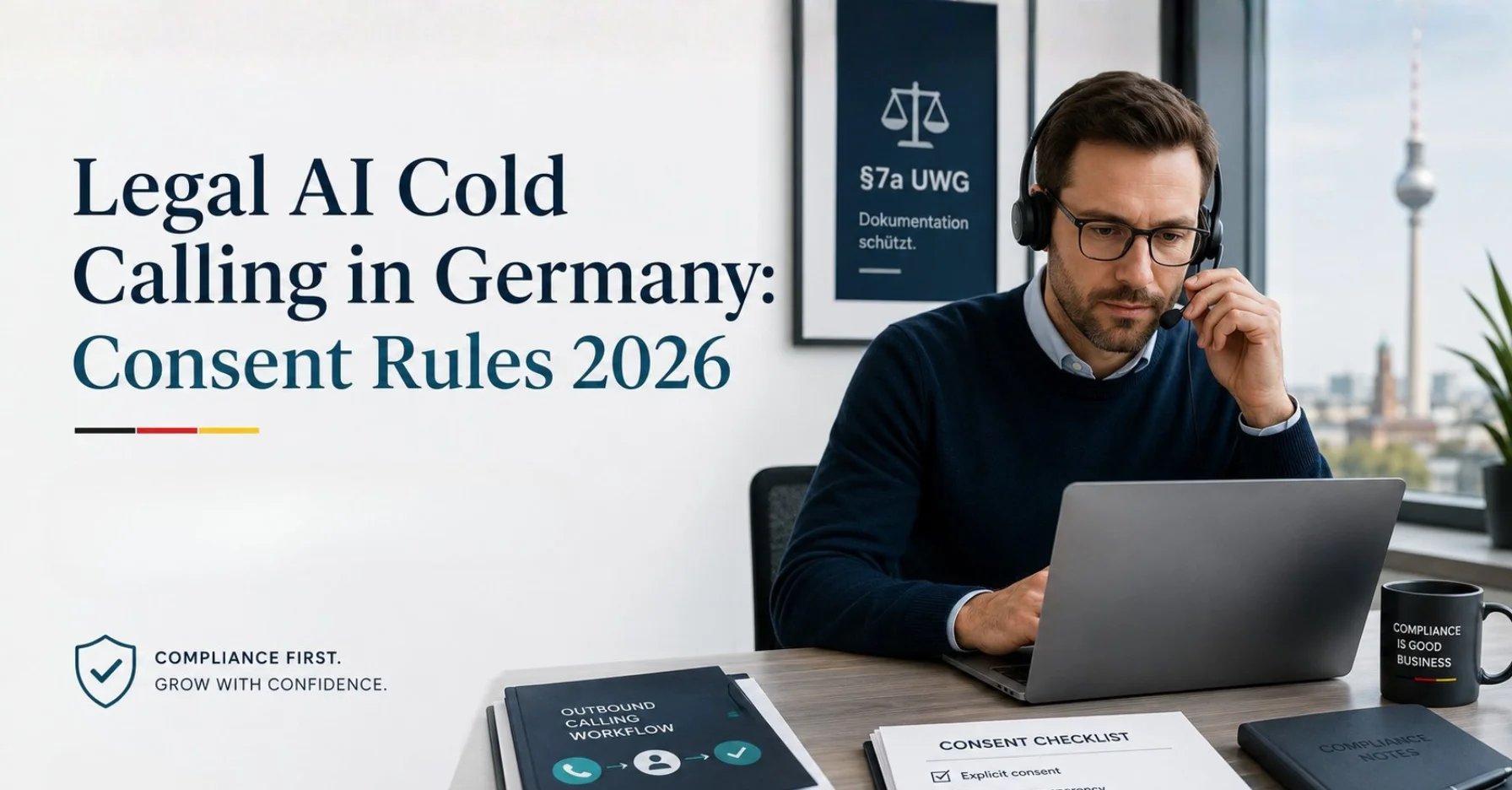
The question of whether one may record phone calls concerns companies of all sizes—from startups looking to improve their customer service to established corporations closing deals over the phone. The answer is more complex than a simple yes or no. It touches on legal gray areas, data protection regulations, and ethical considerations. This issue becomes particularly relevant in the age of artificial intelligence, where AI phone assistants not only answer calls but also analyze, transcribe, and store them.
Many companies see call recording as a valuable tool: for quality assurance, employee training, complete documentation of agreements, or analysis of customer feedback. However, the desire for optimization quickly hits legal barriers. Ignorance is no excuse here—on the contrary, violations can lead to hefty fines and even criminal consequences.
This article sheds light on the matter. We will explain in detail and in practical terms the legal framework for recording telephone conversations in Germany, Austria, and Switzerland (the DACH region). Furthermore, we will show you what to specifically consider when using AI phone assistants and how modern systems can help you operate legally and efficiently.
The Golden Rule: Nothing Without Consent
Before we dive into country-specific details, there is a universal and immutable rule that applies throughout the DACH region: Recording a phone call is only permitted with the explicit and prior consent of all participants.
This rule is not a mere formality but is deeply rooted in personal rights and data protection. The spoken word is confidential. A secret recording fundamentally violates this basic right. You are only legally secure with active and verifiable consent.
Legal Situation in Germany: Strict Regulations under StGB and GDPR
In Germany, the legal situation is particularly strict and is governed by two main pillars: the German Criminal Code (StGB) and the General Data Protection Regulation (GDPR).
§ 201 StGB – Violation of the Confidentiality of the Spoken Word: This paragraph clearly states that the unauthorized recording of the non-publicly spoken word of another is a criminal offense. Penalties include imprisonment for up to three years or significant fines.
General Data Protection Regulation (GDPR): For call recording, the most important legal basis is consent (Art. 6(1)(a) GDPR). This consent must be voluntary, informed, unambiguous, and verifiable.
Legal Situation in Austria: TKG and DSG in Harmony
In Austria, the legal situation is also clear. The Telecommunications Act (TKG) and the Data Protection Act (DSG) also require the consent of all parties before a recording is made. The GDPR requirements for valid consent apply equally here.
Legal Situation in Switzerland: Data Protection Act and Criminal Code
Switzerland, although not an EU member, has very similar and strict rules with its new Data Protection Act (nDSG) and the Criminal Code (StGB Art. 179bis). Here, too, the consent of all parties is mandatory before recording.
Interim Conclusion: Whether in Germany, Austria, or Switzerland—the only legally sound way to record a phone call is always with the prior, informed, and active consent of all participants.
How to Obtain Consent Correctly: A Guide
Improperly obtaining consent can render it invalid. Therefore, adhere to best practices:
Timing: Inform the caller about the recording right at the beginning of the call, before it starts.
Wording: Clearly and transparently communicate the purpose of the recording (e.g., quality assurance, training) and offer a choice (conversation without recording).
Method: Obtain active consent, for example, through a key press (opt-in) or a clear verbal confirmation ("Yes").
Using AI Phone Assistants: What Changes Legally?
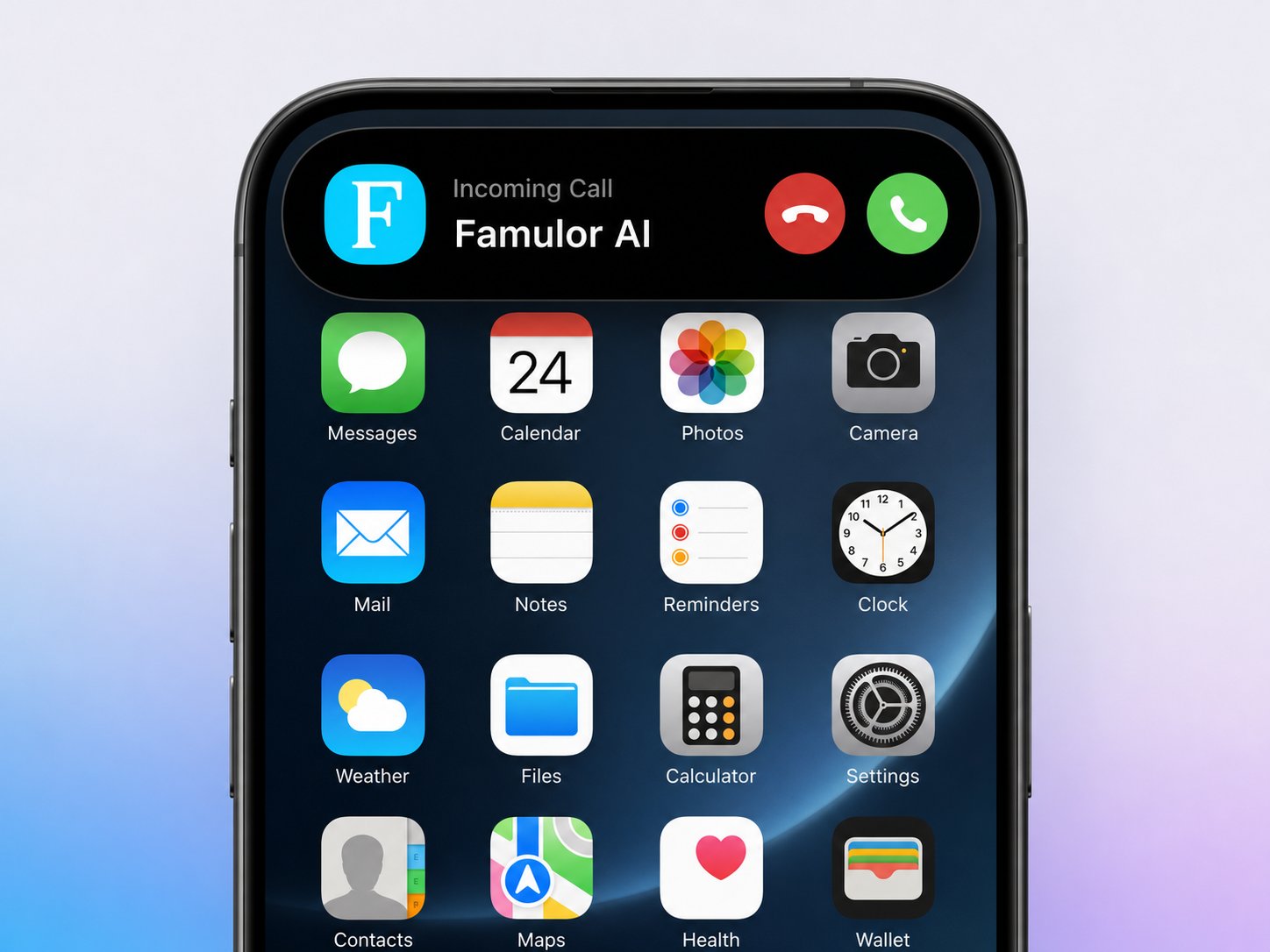
For an AI phone assistant to function, it must process and store the conversation, which is technically equivalent to a recording. Therefore, all the aforementioned rules regarding the obligation to obtain consent apply without restriction. The particular challenge lies in designing the consent process to be seamless, legally secure, and user-friendly.
The Solution through Intelligent Systems
Modern AI systems can be configured to automatically play a standardized and legally reviewed announcement for consent with every call. The AI can understand the customer's verbal response and control the process accordingly. If the customer agrees, the conversation is processed. If they refuse, the call can be forwarded without recording. When choosing a provider, it is crucial to ensure GDPR compliance and server locations within the EU.
Estimate your ROI from automating calls
See how much your business could save by switching to AI-powered voice agents.
ROI Result
ROI 0%
No credit card required
Conclusion: Legal Certainty as the Foundation for Innovation
Recording phone calls is a powerful tool, but the legal hurdles are high. The principle is always: No recording without explicit, informed, and documented consent. This is even more true when using AI phone assistants. This technology requires a technically and legally sound implementation of the consent process to unfold its full potential safely and legally.

Writer at Famulor