Summarize Content With:




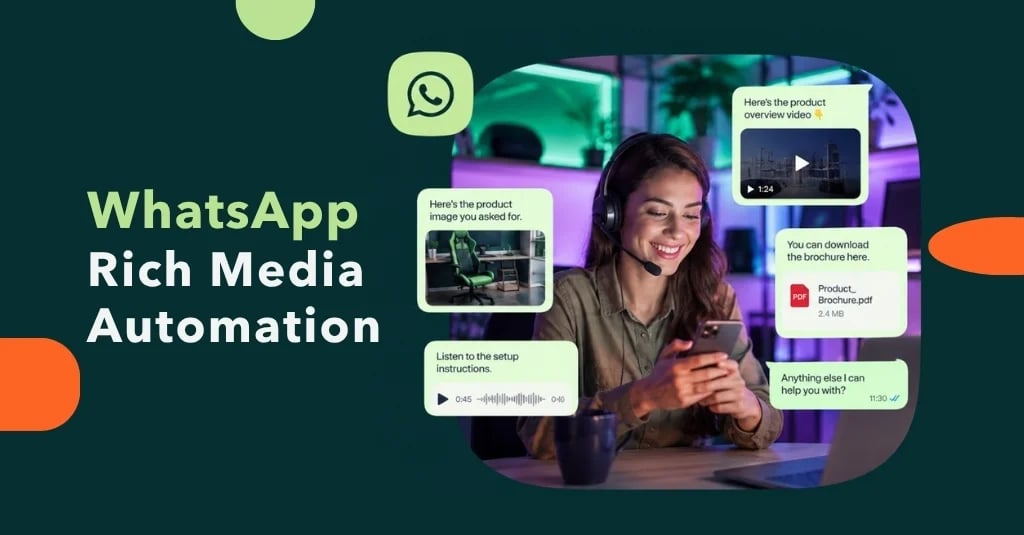
WhatsApp remains one of the most important digital entry points for customer communication. In 2026, however, it becomes a different budget conversation: Meta is moving the Business Platform further into usage-based pricing, and AI responses are no longer just a messaging feature. They become an ongoing automation cost.
For CX, sales, and finance teams, the question is not whether WhatsApp should be automated. The right question is: which architecture keeps cost, quality, handoff, and compliance under control when WhatsApp, phone calls, CRM, and human teams all touch the same customer journey?
What is changing in WhatsApp AI pricing
Meta still describes the WhatsApp Business Platform as a per-message channel, with charges depending on recipient country and categories such as marketing, utility, authentication, or service. At the same time, current developer guidance for Business Agent messages shows that AI-powered responses are being treated separately: Meta Business Agent messages are scheduled to be charged from August 1, 2026, and from October 2026 service and utility replies inside the 24-hour window become more relevant for cost planning as well.
This is not only a WhatsApp topic. It is a signal that conversational AI should no longer be planned as a free add-on to a chat channel. Every automation needs a cost model, escalation logic, and a clear boundary between bot, human, and system action.

Why isolated WhatsApp bots can become expensive
An isolated WhatsApp bot can look inexpensive during a pilot: one channel, one FAQ set, a few routing paths. In production, costs often appear somewhere else. The bot asks for data the CRM already has. A phone call starts the same process again. A human has to rewrite summaries manually. And when service messages carry additional cost, every unnecessary reply step matters.
Enterprise teams should therefore look beyond price per message and measure cost per resolved case. The important metrics are deflection rate, conversation length, repeat-contact rate, handoff quality, integration effort, and whether the same assistant can use the same knowledge base on phone and web.
What does your call setup cost over 12 months?
Compare in-house teams, BPO, and Famulor with a few inputs.
Famulor
Voice AI
12-month cost
The better architecture: one assistant, multiple channels
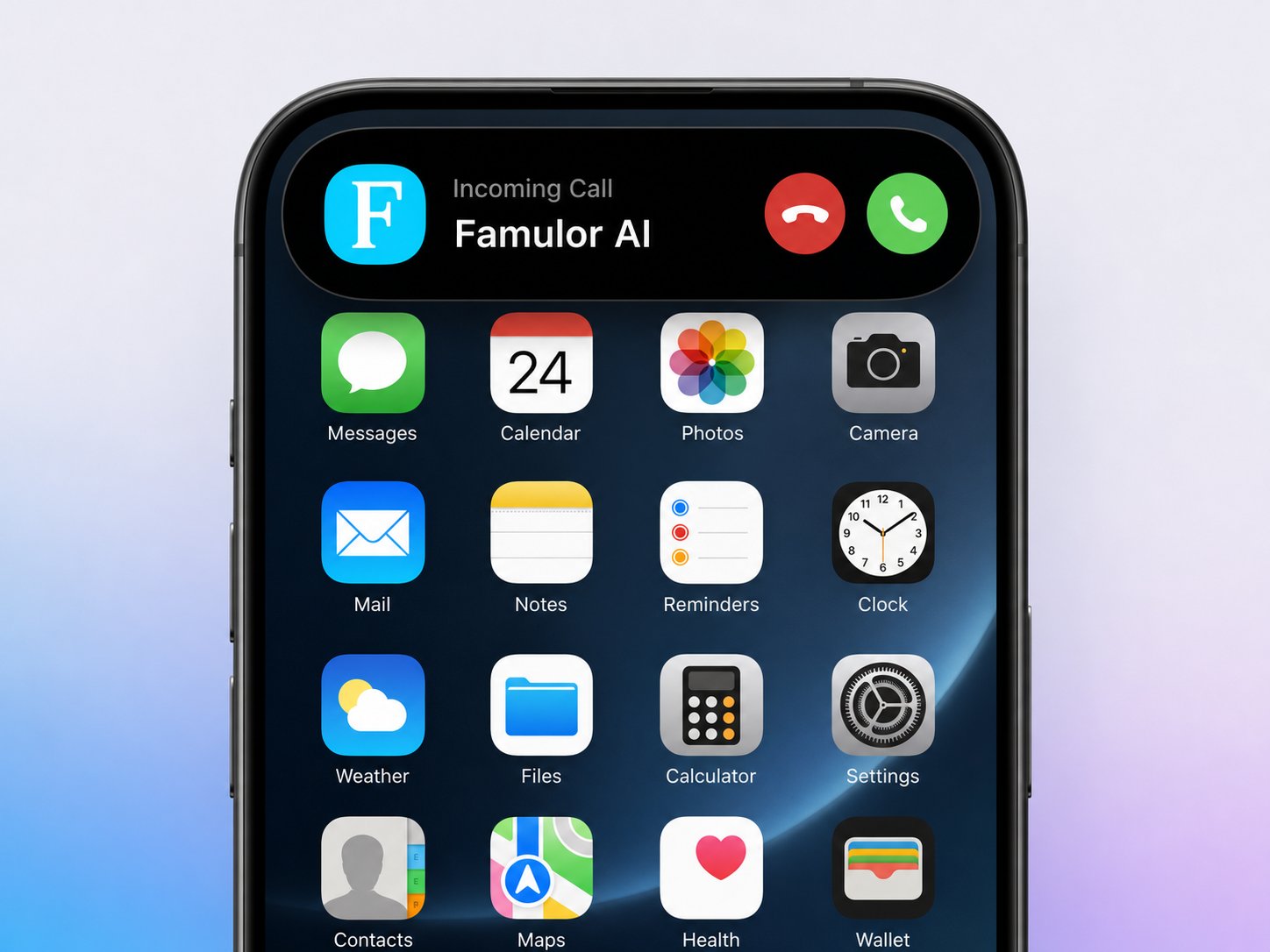
Famulor is built for this structure: one AI assistant can handle phone calls, WhatsApp conversations, Live Voice on the website, and chat workflows through a shared knowledge base. That means teams do not maintain four separate automations. They operate one controlled communication layer.
For WhatsApp cost control, this matters because the assistant does not need to resolve every issue through the most expensive channel. Appointment booking, lead qualification, status checks, or escalations can be handled through the right action: CRM lookup, calendar check, webhook, Mid-call Action, MCP server, or human handoff. Fewer loops in chat usually mean a better cost profile.
Human takeover is cost control, not a fallback
Automation becomes expensive when it keeps talking in the wrong moment. Famulor supports WhatsApp workflows with human takeover, so a team member can step in when a request is sensitive, valuable, or too complex. In coexistence scenarios, the AI can pause when a person replies directly in WhatsApp.
That protects the customer experience and reduces unnecessary AI steps and manual cleanup. Good automation knows when to act, ask, escalate, or stay quiet.
Integrations decide the real ROI
The biggest lever is rarely the first answer. It is the action after the answer: find a record, check availability, create an offer, update a ticket, qualify a lead, trigger a follow-up. For that, the assistant needs controlled access to systems.
Famulor supports several paths: classic webhooks, API connections, the Automation Platform, Mid-call Actions, and MCP servers. Teams can start small and later attach whole toolsets without rebuilding every action from scratch. For the website-side overview, see Integrations, WhatsApp AI, and Pricing.
Which systems should Voice AI connect?
Select your existing tools and get a fast integration path.
Famulor
Voice AI
Selected integrations: 4
A CFO-ready model for 2026
Companies should not budget WhatsApp AI as an isolated messaging line. A more useful model has five blocks:
- Channel fees: WhatsApp Business Platform charges, including template, service, and utility messages by country and category.
- AI processing: model cost, token usage, or platform logic by provider.
- Operations: human handoffs, quality control, prompt maintenance, and knowledge updates.
- Integrations: CRM, calendar, ticketing, payment, or ERP systems.
- Risk and compliance: GDPR, DPA, data location, auditability, and role permissions.
This turns a basic chatbot estimate into a business case: what does a resolved case cost? How much team time is saved? Which cases still need a human? And which data is allowed to be processed in which system?
Practical recommendation
Do not start with “we need a WhatsApp bot.” Start with the ten most common customer requests, the current handling path, and the cost per case. Then decide which requests should be fully automated, which should only be pre-qualified, and which should go straight to a person.
When WhatsApp, phone, and web use the same logic, automation becomes easier to measure and more resilient. Famulor helps teams build that layer without channel silos: one knowledge base, clear handoffs, reusable integrations, and a cost model that finance and operations can manage together.

Writer at Famulor