Resumir contenido con:




Speed to Lead: Why the 5-Minute Rule Decides Who Wins the Deal
Speed to lead is the time between a prospect raising their hand — a form submission, a missed call, a chat message, a Facebook lead ad — and your first real human-quality contact. The shorter that gap, the more deals you close. The widely cited Harvard Business Review and MIT research The Short Life of Online Sales Leads found that businesses contacting a new lead within five minutes were roughly 21 times more likely to qualify that lead than those who waited 30 minutes, and far more likely to ever reach them at all.
The uncomfortable truth: most teams answer in hours, not minutes. This guide explains what speed to lead really means, the benchmarks that matter, why manual follow-up always loses the race, and how an AI voice agent calls every new lead back the instant it arrives — day, night, and weekend.
What “speed to lead” actually measures
Speed to lead is not your average handle time or your CRM’s reporting lag. It is the wall-clock interval from inbound intent to a meaningful conversation. A lead who fills in your contact form at 7:42 p.m. and gets a callback at 9:15 the next morning experienced a speed to lead of more than 13 hours — long enough for three competitors to have already called.
Three things make this metric brutal. First, intent decays fast: a prospect comparing solar installers or law firms is often filling in four forms in one sitting. Second, the first responder enjoys a structural advantage — they frame the criteria and book the appointment before anyone else dials. Third, the cost of being slow is invisible in your pipeline, because the lead simply never converts and you blame “low lead quality” instead of response time.
The benchmarks that matter
You do not need a hundred KPIs. Track four, and you will already be ahead of most competitors.
- Median first-response time: aim for under five minutes for high-intent inbound leads. Averages lie — one lead answered in 12 hours hides behind ten answered in two minutes, so use the median.
- Contact rate: the share of leads you actually reach by voice. Faster first attempts dramatically raise this number.
- Speed-to-first-call vs. speed-to-qualified: separate the moment you dial from the moment a lead is qualified and booked. The first is in your control; the second is the business outcome.
- After-hours coverage: the percentage of leads arriving outside 9-to-5 that still get an immediate response. For most service businesses this is where the largest leak sits.
Set a single, visible target the whole team understands — for example, “every inbound lead gets a live call attempt within five minutes, including evenings and weekends.” A clear threshold beats a vague “respond quickly” because it can be measured, automated, and reported on. Review the median weekly rather than the average, watch how it behaves at your busiest hours, and treat any after-hours lead that waited until the next morning as a defect to fix, not a normal cost of doing business. Targets that are specific and time-bound are the ones teams actually hit.
Why manual follow-up always loses the race
Imagine a mortgage brokerage with three loan officers. A lead lands at 12:50 p.m., right as the team breaks for lunch. By the time someone opens the CRM at 1:40, the prospect has already spoken to a competitor who called back in four minutes. No one did anything wrong — the process simply cannot beat the clock with humans alone.
Manual follow-up fails for predictable reasons: reps are in meetings, on other calls, or asleep; weekend and evening leads wait until Monday; and the highest-intent leads often arrive precisely when no one is at a desk. Round-robin assignment, reminder emails, and “call within the hour” policies all assume a human is free at the exact second a lead arrives. That assumption is wrong far more often than most managers admit.
How an AI voice agent closes the gap
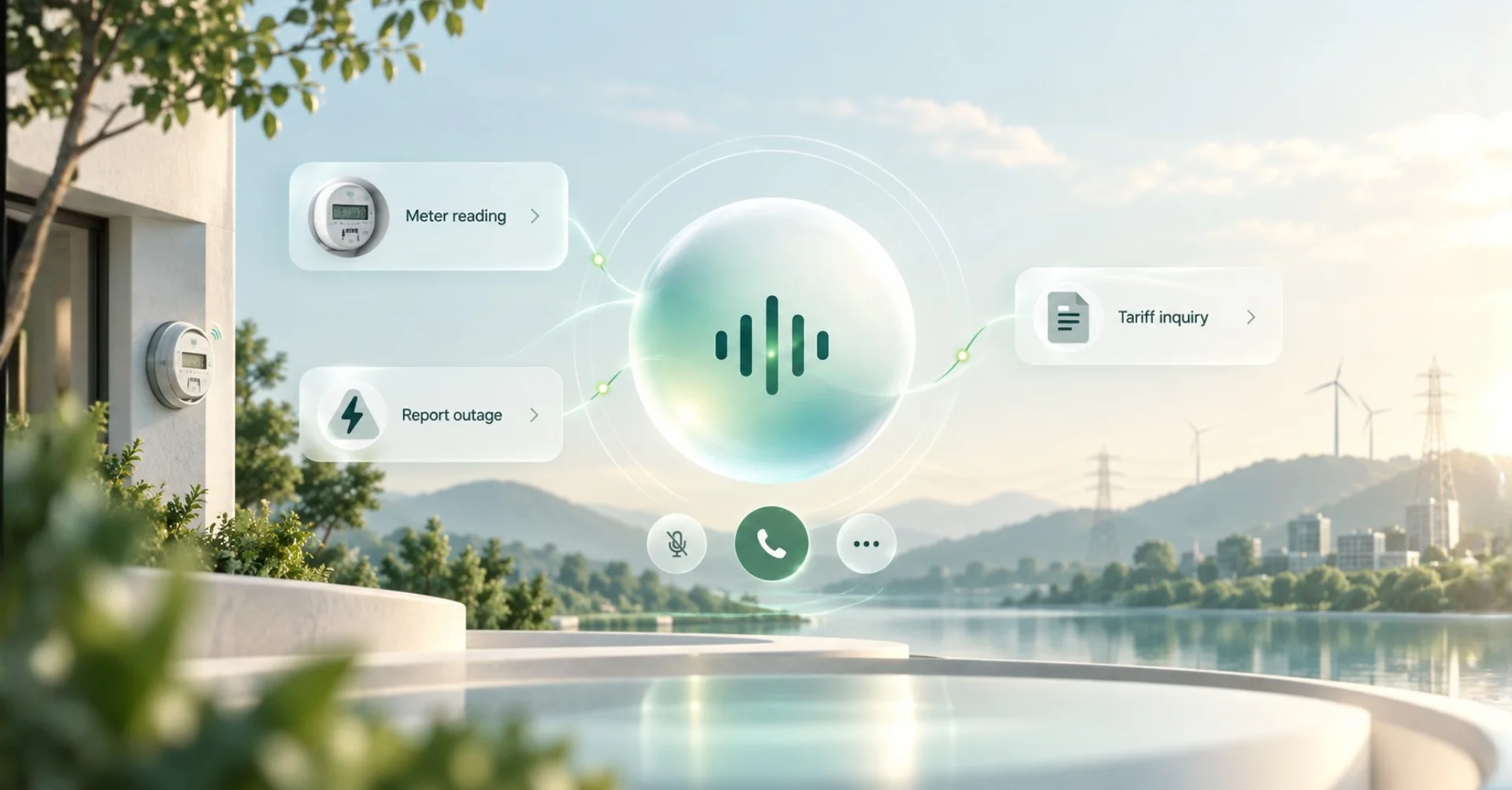
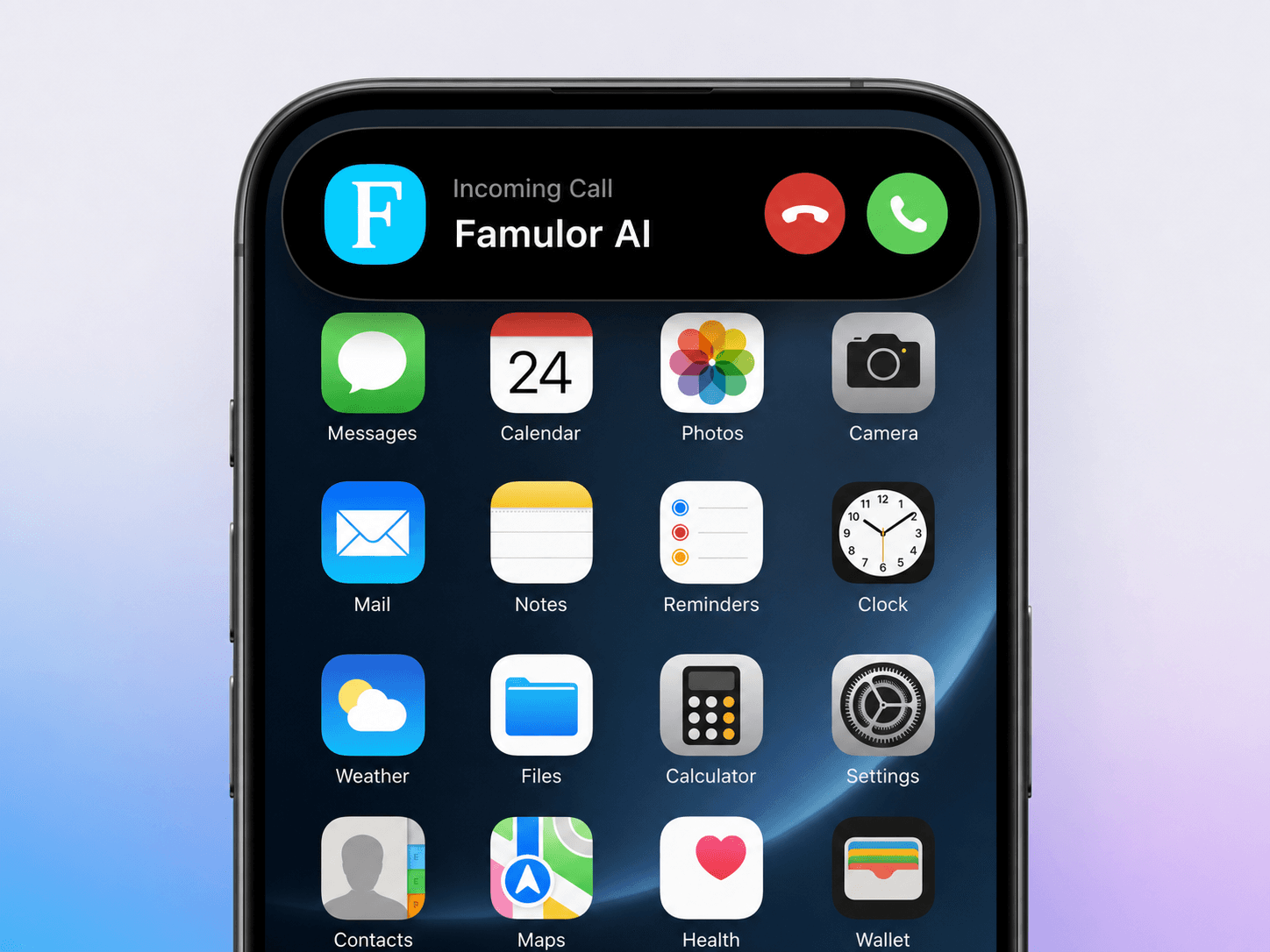
An AI voice agent removes the human bottleneck from the first touch. The moment a lead is created — in your CRM, a web form, a Facebook lead ad, or a missed call — a revenue autopilot triggers an outbound call within seconds. The agent greets the prospect by name, confirms what they were interested in, answers common questions from a knowledge base, qualifies against your criteria, and books a meeting straight into the calendar. If the prospect prefers, it hands off to a live rep with full context.
This is exactly the speed-to-lead use case Famulor is built for. The platform’s AI voice agents speak 40+ languages, run inbound and outbound, and connect to your stack through 300+ no-code workflow integrations — so a new Facebook lead or HubSpot contact becomes a phone conversation before a competitor has read the notification.
What slow speed to lead really costs
The damage from a slow response is easy to underestimate because it never appears as a line item. A lead you reach 40 minutes late does not show up in a report as “lost to response time” — it shows up as a contact that “went quiet” or a deal marked “no budget.” Multiply that across every after-hours form fill and every lunchtime spike, and the cost is a meaningful slice of the pipeline your marketing already paid to generate.
Consider the maths in plain terms. If you generate 200 inbound leads a month and a faster first call lifts your contact rate from 40% to 60%, that is 40 additional conversations every month from the exact same ad spend. Even at a modest close rate and average deal size, those recovered conversations usually dwarf the cost of running an AI voice agent. The lever is not generating more leads — it is failing to waste the ones you already have.
There is a second, quieter cost: reputation. A prospect who reaches a competitor first and a voicemail at your number forms an impression of both companies in the same minute. Being the business that answers — instantly, professionally, at 9 p.m. on a Sunday — is a brand signal, not just a sales tactic. Speed compounds: faster responses win more deals, and the experience of being answered quickly makes those deals easier to close.
Manual follow-up vs. AI speed to lead
| Dimension | Manual follow-up | AI voice agent |
|---|---|---|
| First-response time | Minutes to hours, variable | Seconds, consistent |
| After-hours & weekends | Leads wait until next shift | Answered 24/7 |
| Peak-volume spikes | Queue builds, leads go cold | Hundreds of parallel calls |
| Consistency of qualifying questions | Varies by rep and mood | Identical every call |
| CRM logging | Often delayed or skipped | Automatic, structured |
| Cost to scale | Linear — more reps | Per-minute, no new headcount |
The point is not to replace your closers. It is to make sure no lead ever waits, so your closers spend their time on conversations that are already warm, qualified, and booked.
Implementing speed to lead, step by step
You can stand up an instant-callback flow in an afternoon. The sequence below keeps it simple and measurable.
- Map every lead source. List where leads actually enter — web forms, Facebook and Google lead ads, missed inbound calls, chat, marketplace inquiries. Each is a trigger.
- Connect the trigger. Wire those sources to Famulor through native integrations such as GoHighLevel or Pipedrive, so a new lead instantly fires an outbound call.
- Script the qualifying conversation. Define the three to five questions that separate a real opportunity from a tyre-kicker, plus the fallback if the prospect does not pick up.
- Load a knowledge base. Give the agent your pricing ranges, service area, hours, and top FAQs so it answers accurately instead of deflecting.
- Set the booking and handoff rules. Decide when the agent books directly into the calendar and when it warm-transfers to a human.
- Build a retry cadence. No-answer leads should get a structured set of follow-up attempts — this is where lead re-engagement recovers revenue most teams write off.
- Measure and tune. Watch median first-response time and contact rate weekly, then refine the script and retry timing.
Best practices and common mistakes
The teams that win at speed to lead share a few habits — and avoid a few traps.
- Call first, then nurture. A phone call within minutes beats an instant email almost every time. Use email and SMS as backups, not as the primary first touch.
- Do not over-qualify on the first call. The job of the first contact is to connect and book, not to run a full discovery. Keep it short.
- Respect quiet hours and consent. Configure calling windows and honour opt-outs — speed should never mean spam.
- Avoid the “Monday batch” trap. Weekend leads handled on Monday are mostly dead. After-hours automation is the single biggest win for most service businesses.
- Keep a human in the loop. Use the AI for instant first contact and qualification, and route hot, complex deals to your best closers with full context.
Industry examples
Solar installer. A homeowner submits a quote request at 8:30 p.m. The agent calls within a minute, confirms roof type and timeline, and books a survey for Thursday — before the three other installers the homeowner messaged even open their inboxes.
Law firm intake. A potential client calls after hours about an accident claim. Instead of voicemail, the agent captures the case details, screens for conflicts, and schedules a consultation, so a high-value matter is not lost to the next firm on the search results page.
B2B SaaS. A demo request comes in from a target account. The agent calls in seconds, confirms team size and use case, and drops a qualified, booked meeting onto an account executive’s calendar — turning a cold form fill into a live pipeline opportunity the same minute.
Calcula tu ROI automatizando llamadas
Descubre cuánto podrías ahorrar al usar voice agents con IA.
Resultado ROI
ROI 0%
Sin tarjeta de crédito
Conclusion
Speed to lead is one of the few growth levers that costs almost nothing and compounds immediately: the same marketing spend produces more booked meetings simply because you answer first. The five-minute rule is not a slogan — it is the difference between a conversation and a missed opportunity. Manual processes cannot win that race reliably, especially after hours.
Famulor is the most direct way to close the gap. Its AI voice agents call every new lead back in seconds, qualify and book around the clock in 40+ languages, and log everything into your CRM automatically. Start by mapping your lead sources, connect them on the plan that fits your volume, and turn on instant callback this week. The next lead that arrives at midnight should be a booked meeting by morning, not a regret.
Pruebe nuestro Asistente de IA
Experimente lo natural que suena nuestro asistente telefónico de IA.
Ingrese sus datos y reciba una llamada de nuestro agente de IA en segundos.
El agente está entrenado para hablar sobre los servicios de Famulor y programar citas.

Demo AI agent
Famulor representative
FAQ
What is speed to lead?
Speed to lead is the time between a prospect showing interest — a form, call, or message — and your first meaningful contact. Shorter response times sharply increase the odds of reaching and qualifying the lead.
What is the ideal lead response time?
Under five minutes for high-intent inbound leads. Research shows responding within five minutes makes you far more likely to connect and qualify than waiting 30 minutes or longer.
Why is responding within five minutes so important?
Intent decays quickly and prospects often contact several providers at once. The first to call frames the conversation and books the appointment, so minutes directly translate into won or lost deals.
Can an AI voice agent really respond instantly?
Yes. When a lead is created, an AI voice agent can place an outbound call within seconds, greet the prospect, answer questions, qualify, and book a meeting — without a human being free at that exact moment.
Does instant calling replace my sales reps?
No. It handles the first touch and qualification so leads never wait, then hands warm, booked opportunities to your reps. Humans still close the complex, high-value deals.
How does an AI agent connect to my CRM and lead forms?
Through native integrations. Famulor connects to tools like HubSpot, Pipedrive, GoHighLevel, and Facebook lead ads via 300+ no-code workflows, so new leads trigger calls automatically.
What about leads that arrive at night or on weekends?
That is where automation wins most. An AI voice agent answers and qualifies 24/7, so after-hours and weekend leads get an immediate callback instead of waiting for the next shift.
How do I measure whether speed to lead is improving?
Track median first-response time, contact rate, speed-to-qualified, and after-hours coverage weekly. Improvements in these metrics show up as more booked meetings from the same lead volume.
Autor en Famulor