Inhoud samenvatten met:




Hoe een AI-assistent reorganisaties in goede banen leidt en verandering faciliteert
Reorganisaties behoren tot de meest uitdagende fasen in de levenscyclus van een bedrijf. Of het nu gaat om een fusie, herstructurering of strategische heroriëntatie, dergelijke veranderprocessen worden vaak gekenmerkt door onzekerheid, communicatiechaos en een daling in productiviteit. Medewerkers voelen zich onzeker, de HR-afdeling wordt overspoeld met vragen en het management worstelt om een heldere en consistente boodschap over te brengen. Maar wat als er een tool zou zijn die als een stabiel anker kan fungeren in deze storm van verandering? Een onvermoeibare assistent, 24/7 beschikbaar, om vragen te beantwoorden, processen uit te leggen en angsten weg te nemen? Hier komt de AI-assistent in beeld, die evolueert van een simpele klantenservicetool naar een strategische partner in verandermanagement.
Moderne AI-platformen zoals Famulor maken het mogelijk om intelligente, autonome assistenten te creëren die veel meer kunnen dan alleen telefoontjes beantwoorden. Ze worden het centrale aanspreekpunt voor medewerkers, ontlasten leidinggevenden en zorgen voor een soepelere, transparantere en uiteindelijk succesvollere transitie. In dit artikel onderzoeken we hoe een AI-assistent reorganisaties fundamenteel faciliteert en hoe jouw bedrijf deze technologie praktisch kan implementeren.
De anatomie van een reorganisatie: waarom verandering vaak mislukt
Om de transformerende kracht van een AI-assistent te begrijpen, moeten we eerst kijken naar de typische pijnpunten van een reorganisatie. Deze processen zijn zelden lineair en bevatten talloze valkuilen die het succes in gevaar kunnen brengen.
Uitdaging 1: Het communicatievacuüm
De grootste hindernis is bijna altijd de communicatie. Zodra de eerste geruchten over een aanstaande verandering de ronde doen, ontstaat er een informatievacuüm. Medewerkers vullen dit gat met speculaties en angst. Officiële aankondigingen komen vaak te laat, zijn onduidelijk geformuleerd of bereiken niet iedereen. Het resultaat is een klimaat van wantrouwen waarin geruchten zwaarder wegen dan feiten.
Uitdaging 2: Overbelasting van HR en management
De HR-afdeling en direct leidinggevenden worden het eerste aanspreekpunt voor alle vragen en zorgen. Zij krijgen te maken met een golf van repetitieve vragen: "Wat betekent dit voor mijn baan?", "Wie is mijn nieuwe contactpersoon?", "Waar kan ik de nieuwe procesdocumenten vinden?". Deze administratieve last legt beslag op waardevolle middelen die eigenlijk nodig zijn voor strategische planning en persoonlijke gesprekken met medewerkers.
Uitdaging 3: Productiviteitsdaling en kennisverlies
Onzekerheid is de grootste vijand van productiviteit. Medewerkers die zich zorgen maken over hun toekomst zijn minder gefocust en betrokken. Tegelijkertijd moeten nieuwe processen worden aangeleerd en teams opnieuw worden gevormd, wat de efficiëntie tijdelijk verlaagt. Als er bovendien sleutelfiguren het bedrijf verlaten, dreigt er aanzienlijk kennisverlies dat moeilijk te compenseren is.
Uitdaging 4: Gebrek aan consistente informatie
Zelfs met de beste bedoelingen geven verschillende managers vaak net iets andere antwoorden op dezelfde vragen. Deze inconsistentie voedt de verwarring en ondermijnt de geloofwaardigheid van het leiderschapsteam. Een centrale, betrouwbare "Single Source of Truth" ontbreekt.
De AI-assistent: jouw centrale partner in verandermanagement
Een intelligent geconfigureerde AI-assistent pakt precies deze zwakke punten aan. Het is geen vervanging voor menselijk leiderschap, maar een krachtige tool die ruimte creëert en communicatie professionaliseert. De kracht ligt in het vermogen om informatie direct, consistent en op grote schaal te verstrekken.
Stel je een assistent voor die:
- 24/7 beschikbaar is: Medewerkers kunnen hun vragen stellen wanneer ze maar willen, zelfs 's nachts of in het weekend. Dit vermindert angst en voorkomt dat zorgen zich dagenlang opstapelen.
- Altijd hetzelfde, geverifieerde antwoord geeft: De assistent heeft toegang tot een centrale kennisbank, waardoor elke medewerker exact dezelfde informatie ontvangt die door het management is goedgekeurd.
- Honderden gesprekken tegelijk afhandelt: Of het nu via een telefoongesprek, websitechat of WhatsApp is, de AI-assistent bedient alle vragen parallel, zonder wachtrijen.
- Data en sentiment vastlegt: Door de gestelde vragen te analyseren, kan het systeem vroegtijdig identificeren welke onderwerpen het meest leven onder het personeel. Deze inzichten zijn van onschatbare waarde voor gerichte aanpassingen in de interne communicatie.
Een platform als Famulor biedt hiervoor de perfecte basis. Met de focus op intelligente automatisering kunnen bedrijven complexe dialogen en processen in kaart brengen zonder enige programmeerkennis, wat veel verder gaat dan simpele FAQ's.
Praktijkvoorbeelden: hoe Famulor verandering in de praktijk ondersteunt
De theorie klinkt veelbelovend, maar hoe ziet de implementatie er in de praktijk uit? Hier zijn vier concrete use cases die laten zien hoe een AI-assistent gemaakt met Famulor een reorganisatie kan ondersteunen.
1. De "Single Source of Truth"-hotline
Probleem: Medewerkers hebben honderden vragen over tijdlijnen, nieuwe rollen, secundaire arbeidsvoorwaarden en contactpersonen. De HR-telefoons staan roodgloeiend.
Oplossing met Famulor: Je zet een interne hotlinenummer op dat direct leidt naar een AI Voice Agent. Deze agent is getraind op een kennisbank met alle officiële informatie over de reorganisatie. Hij kan direct vragen beantwoorden als: "Wanneer worden de nieuwe teamstructuren bekendgemaakt?" of "Bij wie moet ik zijn met vragen over mijn nieuwe contract?". Voor complexe, persoonlijke zaken verbindt de agent het gesprek intelligent door naar de juiste HR-expert. Deze functie van intelligent call routing zorgt ervoor dat geen enkele zorg verloren gaat.
2. Proactieve informatiecampagnes
Probleem: Belangrijke mijlpalen en updates moeten snel en betrouwbaar worden gecommuniceerd naar het gehele personeel.
Oplossing met Famulor: Met de automatiseringsengine van Famulor kun je proactieve communicatiecampagnes starten. De AI-assistent kan bijvoorbeeld geautomatiseerde gesprekken voeren of WhatsApp-berichten sturen om medewerkers te herinneren aan een aanstaande town hall-meeting of om hen te informeren over de succesvolle afronding van een belangrijke fase. Dit zorgt ervoor dat informatie actief wordt verspreid, in plaats van alleen passief beschikbaar te zijn.
3. Onboarding voor nieuwe rollen en systemen
Probleem: Medewerkers in nieuwe functies moeten nieuwe software, processen en verantwoordelijkheden leren, wat intensieve ondersteuning vereist.
Oplossing met Famulor: De AI-assistent fungeert als een digitale onboarding-coach. Hij kan nieuwe teamleden door hun eerste stappen in het CRM-systeem leiden, automatisch trainingssessies in hun agenda plannen of de status van IT-rechten controleren. Door naadloze API-integratie met bestaande systemen zoals HR-software of agenda's, kan de assistent echte taken uitvoeren en een actieve hulp worden.
4. Anonieme feedbackkanalen
Probleem: Medewerkers aarzelen vaak om eerlijke feedback of kritiek te geven uit angst voor negatieve gevolgen.
Oplossing met Famulor: De AI-assistent kan geautomatiseerde enquêtes uitvoeren via telefoon of chat, waarbij anonimiteit gegarandeerd is. Hij kan open vragen stellen zoals: "Welke informatie heb je op dit moment het meest nodig om de veranderingen te begrijpen?". De antwoorden worden anoniem verzameld en geanalyseerd, waardoor het management een ongefilterd beeld krijgt van het sentiment onder medewerkers en proactief kan inspelen op de grootste zorgen.
Implementatie in 6 stappen: jouw weg naar een verandermanagement-assistent
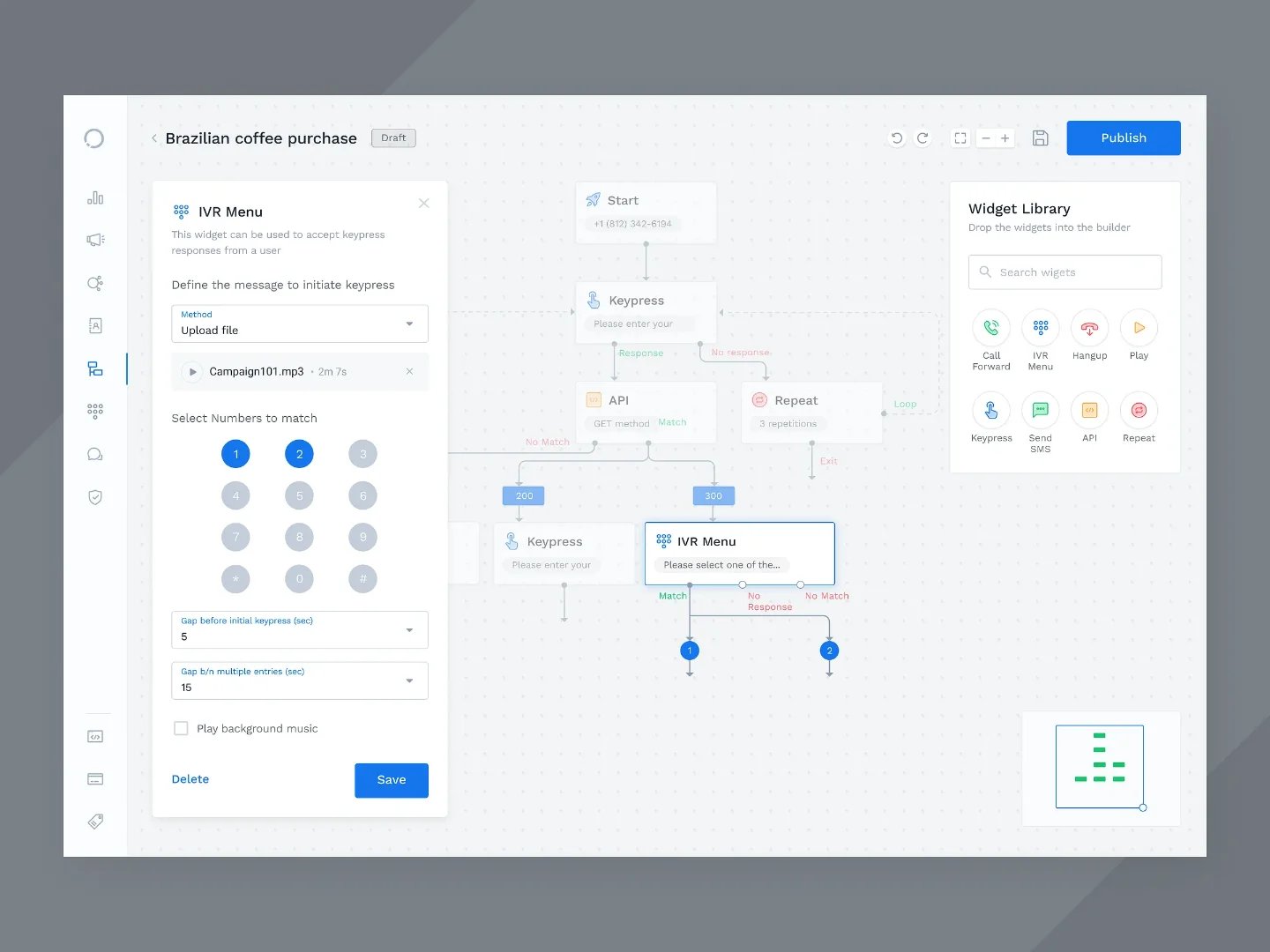
Het creëren van zo'n assistent klinkt misschien complex, maar dankzij moderne no-code platformen is het verrassend eenvoudig. Met de Famulor Omnichannel AI Agent Flow Builder kun je de logica en dialogen van je assistent ontwerpen met een drag-and-drop interface.
- Stel doelen: Definieer duidelijk wat de assistent moet bereiken. Voorbeeld: "Verminder repetitieve HR-vragen met 70% binnen de eerste vier weken."
- Centraliseer kennis: Maak een centraal document (bijv. een spreadsheet of een Notion-pagina) met alle relevante vragen en hun officieel goedgekeurde antwoorden. Dit wordt de "bijbel" van je AI-assistent.
- Modelleer dialogen in de Flow Builder: Breng de gespreksstromen in kaart in de visuele editor van Famulor. Definieer hoe de assistent gebruikers begroet, hoe hij reageert op specifieke trefwoorden en wanneer hij moet overschakelen naar een mens.
- Selecteer kanalen: Bepaal waar de assistent beschikbaar moet zijn. Een speciaal telefoonnummer? Een chatwidget op het intranet? Of zelfs via WhatsApp? Famulor ondersteunt alle kanalen vanuit één logische basis.
- Test intern: Draai een pilotfase met een kleine groep medewerkers. Verzamel feedback en optimaliseer de antwoorden en stromen van de assistent.
- Lanceer en communiceer: Introduceer de nieuwe digitale helper officieel. Leg het doel en de voordelen uit om acceptatie op te bouwen en gebruik te stimuleren. Benadruk dat het een ondersteunende tool is, geen vervanging.
Do's en don'ts: best practices voor een succesvolle implementatie
Om het volledige potentieel te benutten en valkuilen te vermijden, moet je een paar basisregels volgen.
Do's:
- Wees transparant: Communiceer duidelijk dat gebruikers interactie hebben met een AI-assistent. Definieer de reikwijdte en laat zien waar de grenzen liggen.
- Bied altijd een escalatiepad: Een medewerker moet altijd de mogelijkheid hebben om over te schakelen naar een menselijke contactpersoon.
- Houd de kennisbank up-to-date: Verouderde informatie is erger dan geen informatie. Onderhoud de database continu.
- Positioneer de AI als helper: Framing is alles. De assistent is een tool die medewerkers helpt sneller informatie te krijgen en het management helpt beter te luisteren.
Don'ts:
- Verwerk geen gevoelige gegevens: De assistent mag geen persoonlijke, vertrouwelijke gegevens van medewerkers opvragen of opslaan. Zorg voor AVG-compliance, wat gegarandeerd is bij platformen zoals Famulor.
- Automatiseer geen kritieke gesprekken: Taken die diepe empathie vereisen, zoals ontslaggesprekken of persoonlijke beoordelingsgesprekken, mogen nooit door een AI worden afgehandeld.
- Ga niet live zonder testen: Een slecht functionerende assistent doet meer kwaad dan goed. Een uitgebreide testfase is essentieel.
Conclusie: met vertrouwen door verandering navigeren dankzij AI-ondersteuning
Reorganisaties zullen altijd een menselijke uitdaging blijven. Empathie, leiderschap en persoonlijke gesprekken zijn onvervangbaar. Een AI-assistent kan en mag deze niet vervangen. Maar hij kan wel het kader scheppen voor een succesvolle transitie. Door te zorgen voor informatieconsistentie, administratieve lasten te verminderen en als altijd beschikbaar aanspreekpunt te fungeren, biedt hij de broodnodige stabiliteit en transparantie.
Bedrijven die strategisch technologieën zoals die van Famulor integreren in hun verandermanagementprocessen, zijn beter uitgerust om onzekerheid te beheersen, de medewerkerstevredenheid op peil te houden en de transitie sneller en soepeler te laten verlopen. Ze transformeren een periode van onzekerheid in een fase van gecontroleerde en goed gecommuniceerde vooruitgang.
Ben je klaar om je volgende reorganisatie proactief en medewerkergericht te maken? Ontdek hoe je in slechts een paar stappen een intelligente AI-assistent voor je verandermanagement opzet met Famulor. Boek vandaag nog een gratis demo en laat ons zien hoe je verandering meester wordt.
Veelgestelde vragen (FAQ)
Kan een AI-assistent ook helpen bij ontslag van medewerkers?
Absoluut niet. Een AI-assistent is ontworpen voor het schalen van informatie en het automatiseren van standaardprocessen. Taken die een hoge mate van empathie en juridische gevoeligheid vereisen, zoals ontslaggesprekken, moeten altijd door mensen worden afgehandeld. De assistent kan echter wel algemene vragen beantwoorden over het offboarding-proces voor vertrekkende medewerkers.
Hoe snel kan zo'n AI-assistent worden geïmplementeerd voor een reorganisatie?
Met een no-code platform als Famulor kan een basis FAQ-assistent binnen enkele uren worden opgezet. Het meeste werk zit in het zorgvuldig opstellen en goedkeuren van de content voor de kennisbank. Complexere workflows met koppelingen naar HR-systemen kunnen enkele dagen in beslag nemen.
Is het gebruik van een AI-assistent voor interne communicatie AVG-proof?
Ja, mits je kiest voor een AVG-compliant platform zoals Famulor en ervoor zorgt dat er geen gevoelige persoonsgegevens worden verwerkt zonder wettelijke grondslag. Voor een puur informatieve assistent die geen persoonsgegevens opvraagt, is AVG-compliance eenvoudig te waarborgen.
Welke informatie heeft de AI-assistent nodig om te functioneren?
De assistent heeft een gestructureerde kennisbank nodig. Dit omvat doorgaans een lijst met veelgestelde vragen (FAQ's) en hun officiële antwoorden, beschrijvingen van nieuwe processen, organigrammen, tijdlijnen en contactgegevens voor escalatiepunten naar mensen.

Auteur bij Famulor