Inhoud samenvatten met:




AI-telefoonsystemen: De revolutie voor efficiëntie en kostenbesparing in je bedrijf
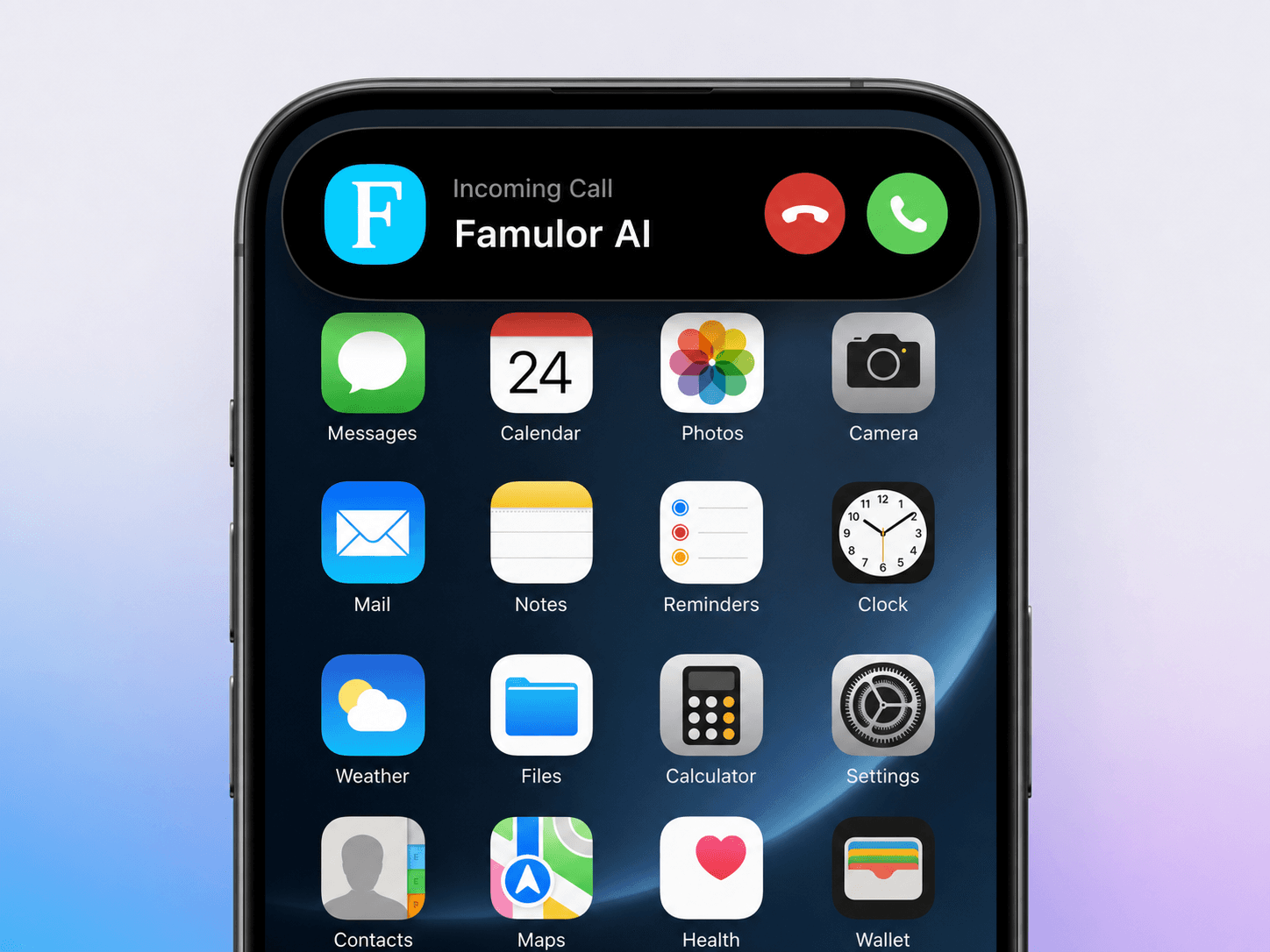
De telefoon gaat onophoudelijk. Een potentiële klant haakt na drie minuten in de wacht te hebben gestaan af. Een medewerker besteedt uren aan het coördineren van afspraken in plaats van zich op kerntaken te concentreren. Klinkt dit bekend? Voor talloze bedrijven is telefonie zowel een zegen als een vloek: aan de ene kant is het de meest directe lijn naar de klant, maar aan de andere kant is het een enorme aanslag op tijd en geld. Maar wat als je telefoonsysteem gesprekken niet alleen beantwoordt, maar ze ook intelligent begrijpt, verwerkt en er zelfs proactief op reageert? Welkom in het tijdperk van AI-telefoonsystemen.
Deze intelligente systemen zijn veel meer dan een moderne versie van het antwoordapparaat of een simpel keuzemenu. Het zijn autonome, zelflerende assistenten die je zakelijke communicatie radicaal veranderen. Ze werken 24/7, spreken meer dan 40 talen en integreren naadloos in je bestaande processen. In deze uitgebreide gids leer je wat AI-telefoonsystemen echt kunnen, hoe ze je bedrijf helpen waardevolle tijd en aanzienlijke kosten te besparen, en hoe je moeiteloos aan de slag gaat met deze transformatieve technologie.
Wat is een AI-telefoonsysteem? Meer dan alleen een antwoordapparaat 2.0
Een AI-telefoonsysteem is een softwaregebaseerde communicatieoplossing die kunstmatige intelligentie gebruikt om menselijke gesprekken aan de telefoon te begrijpen, te verwerken en te beantwoorden. In tegenstelling tot traditionele telefooncentrales (PBX) of zelfs cloudgebaseerde systemen die gesprekken enkel doorverbinden, voert een AI-telefoonsysteem zelfstandig dialogen en voert het taken uit.
Stel je een digitale medewerker voor die de vraag van de beller niet begrijpt door op knoppen te drukken (toets 1 voor...), maar door een natuurlijke vraag (Waarmee kan ik je vandaag helpen?). De technologie erachter combineert verschillende geavanceerde componenten:
Probeer onze AI-assistent
Ervaar hoe natuurlijk onze AI-telefoonassistent klinkt.
Vul uw gegevens in en ontvang binnen enkele seconden een oproep van onze AI-agent.
De agent is getraind om over Famulor-diensten te praten en afspraken te maken.
Demo AI agent
Famulor representative
Speech-to-Text (STT): Zet de gesproken woorden van de beller in real-time om naar geschreven tekst.
Natural Language Understanding (NLU): Analyseert deze tekst om de intentie en kerninformatie (zoals namen, data of verzoeken) te herkennen.
Large Language Models (LLM): Het brein van het systeem, dat op basis van de herkende intentie een passend en contextueel antwoord formuleert.
Text-to-Speech (TTS): Zet het gegenereerde tekstantwoord om in een natuurlijk klinkende, menselijke stem.
Integraties (API's): De cruciale verbinding met je bedrijfsapplicaties zoals CRM, agenda of voorraadbeheersystemen om acties uit te voeren (bijvoorbeeld een afspraak inplannen of de status van een bestelling controleren).
Een platform als Famulor bundelt al deze technologieën in één gebruiksvriendelijke No-Code omgeving. Hierdoor kunnen bedrijven complexe belworkflows creëren zonder ook maar één regel code te schrijven. Het doel is niet om menselijke medewerkers volledig te vervangen, maar om hen te ontlasten van repetitieve, tijdrovende taken zodat ze zich kunnen richten op waardetoevoegende activiteiten.
Kernfuncties: Wat een modern AI-telefoonsysteem echt kan
De ware kracht van een AI-telefoonsysteem ligt in het vermogen om end-to-end processen te automatiseren. Dit zijn de kernfuncties die het verschil maken:
1. 24/7 beschikbaarheid zonder wachtrijen
Jouw openingstijden zijn beperkt, de behoeften van je klanten niet. Een AI-telefoonsysteem is dag en nacht beschikbaar en kan meerdere gesprekken tegelijkertijd afhandelen. Dit betekent: geen gemiste oproepen meer, geen gefrustreerde klanten in de wacht en geen verloren leads omdat er niemand beschikbaar was.
2. Intelligente gesprekskwalificatie en routering
Vergeet starre keuzemenu's. Een AI-assistent vraagt de beller in natuurlijke taal naar de reden van het gesprek. Als het een standaardverzoek is, zoals het boeken van een afspraak of een vraag over openingstijden, wordt dit direct en autonoom afgehandeld. Alleen complexe, emotionele of adviesintensieve gesprekken worden intelligent doorverbonden naar de juiste medewerker, inclusief een samenvatting van het gesprek tot dan toe. Lees meer in ons artikel over Smart IVR: De toekomst van je telefoonsysteem.
3. Autonome taakuitvoering
Dit is de grootste hefboom voor efficiëntieverbetering. Door de koppeling met je systemen kan de AI-agent zelfstandig taken uitvoeren:
Afspraak boeken: De agent controleert de beschikbaarheid in je agenda (bijv. Google Calendar, Outlook), stelt beschikbare tijden voor en boekt de afspraak direct in.
Leadkwalificatie: De agent stelt vooraf gedefinieerde vragen (bijv. over budget, behoeften, tijdlijn), legt de antwoorden vast en maakt een gekwalificeerde lead aan in je CRM-systeem (bijv. Salesforce, HubSpot).
Klantenservice: De agent beantwoordt veelgestelde vragen (FAQ's), controleert de status van een bestelling of start een retourproces.
4. Proactieve uitgaande gesprekken (outbound)
Een AI-telefoonsysteem kan niet alleen gesprekken ontvangen, maar ook zelf bellen. Dit opent compleet nieuwe mogelijkheden voor automatisering:
Afspraakherinneringen: Verlaag het aantal no-shows door je AI-assistent een dag voor de afspraak patiënten of klanten te laten bellen.
Feedbackgesprekken: Verzamel automatisch feedback van klanten na een aankoop of dienstverlening.
Betalingsherinneringen: Voer vriendelijke en professionele herinneringsgesprekken om de betalingstermijn te verkorten.
5. Naadloze integraties en workflow-automatisering
De echte magie ontstaat door de verbinding tussen telefonie en je bedrijfsprocessen. Platforms zoals Famulor bieden een geïntegreerde automatiseringsengine met meer dan 300 kant-en-klare connectoren voor gangbare tools zoals Salesforce, HubSpot, Google Calendar, Shopify en nog veel meer, om data in real-time uit te wisselen en acties te triggeren. Lees meer over hoe je intelligente Voice AI-agents ontwikkelt die daadwerkelijk resultaat boeken.
Tijdsbesparing in de praktijk: Waar je team direct wordt ontlast
Theorie is mooi, maar hoe ziet het concrete voordeel er in het dagelijks werk uit? Laten we enkele typische scenario's bekijken:
Scenario 1: De overbelaste receptie in een huisartsenpraktijk
Voorheen: De telefoon gaat onophoudelijk. Medewerkers moeten schakelen tussen patiënten aan de balie en bellers die afspraken willen maken, recepten aanvragen of vragen hebben over openingstijden. Belangrijke taken blijven liggen en de foutmarge stijgt.
Daarna: Een Famulor AI-assistent beantwoordt 80% van de gesprekken. Deze boekt afspraken direct in de praktijkagenda, beantwoordt vragen over openingstijden en stuurt receptaanvragen digitaal door naar het team. Het receptiepersoneel kan zich volledig concentreren op de patiënten in de praktijk.
Scenario 2: Klantenservice in e-commerce
Voorheen: Tijdens piekperiodes (bijv. Black Friday) bezwijkt de klantenservice onder de stroom vragen over de status van bestellingen. Extra personeel is duur en moeilijk te vinden.
Daarna: De AI-agent is direct gekoppeld aan het shopsysteem (bijv. Shopify). De agent identificeert de klant via het telefoonnummer of bestelnummer en geeft nauwkeurige informatie over de bezorgstatus. Het supportteam hoeft alleen in te grijpen bij complexe problemen. We laten je zien hoe dit werkt in onze gids over het AI-callcenter voor e-commerce.
Scenario 3: De verkoopafdeling van een B2B-bureau
Voorheen: Salesmedewerkers besteden uren aan het bellen van koude of lauwe leads om te achterhalen of er überhaupt interesse is. Kostbare tijd die ontbreekt voor verkoopgesprekken.
Daarna: Een AI-outbound-agent belt een lijst met leads, stelt de eerste kwalificatievragen en boekt direct een afspraak in de agenda van de verantwoordelijke verkoper als er interesse is. Het salesteam ontvangt alleen nog hoogwaardige, ingeplande leads.
Concrete kostenbesparing: Hoe een AI-telefoonsysteem je budget beschermt
Tijdsbesparing is slechts één kant van de medaille. Het financiële voordeel is vaak nog overtuigender. Hier zijn de belangrijkste hefbomen voor kostenbesparing:
1. Verlaging van personeelskosten
Een menselijke medewerker kost, inclusief werkgeverslasten, al snel 20 tot 30 euro per uur. Veel van hun taken zijn repetitief. Een AI-agent kost slechts enkele centen per gespreksminuut. Deze kan de taken van meerdere medewerkers overnemen, wat de personeelskosten voor routinetaken drastisch verlaagt. Hoe je kosten tot in detail optimaliseert, lees je in ons artikel Voice AI-agents: Bespaar kosten en maximaliseer efficiëntie.
2. Eliminatie van opportuniteitskosten
Elke gemiste oproep is een gemiste kans: een potentiële nieuwe klant, een ontevreden bestaande klant of een belangrijke partner. Een AI-telefoonsysteem zorgt ervoor dat elk gesprek professioneel wordt beantwoord en afgehandeld. De resulterende omzetstijging overstijgt vaak ruimschoots de kosten van de technologie.
3. Schaalbaarheid op aanvraag
Fluctueert je belvolume? Bij een traditionele personeelsbezetting is dit een probleem. Je hebt ofwel te veel medewerkers (hoge vaste kosten) of te weinig (slechte service). Een AI-telefoonsysteem schaalt automatisch mee. Of het nu gaat om 10 of 1.000 gesprekken per uur: de capaciteit is direct beschikbaar en je betaalt alleen voor het werkelijke gebruik.
4. Lagere infrastructuur- en onderhoudskosten
Moderne AI-telefoonsystemen zoals Famulor zijn SaaS-platforms (Software-as-a-Service). Ze vereisen geen dure hardware op locatie, onderhoudscontracten of IT-specialisten voor het beheer. Je neemt een abonnement en kunt direct aan de slag.
Om het financiële voordeel voor jouw specifieke situatie te berekenen, raden we onze ROI-calculator voor Voice AI aan, die je helpt een weloverwogen beslissing te nemen.
Stappenplan voor implementatie: Hoe start je met je AI-telefoonsysteem?
Starten met AI-gestuurde telefonie is dankzij moderne No-Code platforms eenvoudiger dan ooit. Volg deze stappen:
1. Analyse en doelstelling: Identificeer de 2 tot 3 meest voorkomende en repetitieve redenen waarom mensen bellen. Dit zijn je ideale eerste use-cases voor automatisering.
2. Platformkeuze: Kies een platform dat flexibiliteit en gebruiksgemak combineert. Let op criteria zoals een visuele Flow Builder, een breed scala aan integraties, hoge spraakkwaliteit, transparante prijzen en AVG-compliance. Famulor voldoet aan al deze eisen.
3. Procesontwerp: Breng de ideale gespreksflow in kaart in een visuele editor. Definieer de vragen die de AI-agent moet stellen en de acties die deze moet uitvoeren op basis van de antwoorden (bijv. Als de klant 'afspraak' zegt, open de agenda).
4. Testen en verfijnen: Voer testgesprekken uit en optimaliseer de dialogen. Train de AI met specifieke termen uit jouw branche om de herkenningspercentages te maximaliseren.
5. Livegang en schalen: Start je eerste geautomatiseerde proces, bijvoorbeeld voor gesprekken buiten openingstijden. Meet het succes en breid de automatisering geleidelijk uit naar andere use-cases.
Conclusie: Transformeer je telefoon van kostenpost naar groeimotor
AI-telefoonsystemen zijn geen toekomstmuziek meer. Het is een beproefde, toegankelijke en uiterst effectieve oplossing om de uitdagingen van moderne zakelijke communicatie aan te gaan. Ze ontlasten je medewerkers van monotone routinetaken, verlagen je operationele kosten aanzienlijk en bieden je klanten een serviceniveau dat met puur menselijke teams bijna onmogelijk te bereiken is: directe beschikbaarheid, consistente kwaliteit en proactieve ondersteuning.
Door repetitieve processen te automatiseren, creëer je ruimte voor wat echt belangrijk is: complexe probleemoplossing, strategische planning en het opbouwen van echte menselijke relaties met je klanten. De vraag is niet langer óf je je telefonie met AI moet optimaliseren, maar wanneer je ermee begint.
Ben je klaar om je telefonie te revolutioneren en je bedrijf naar een hoger niveau van efficiëntie te tillen? Ontdek de mogelijkheden van het Famulor-platform en boek vandaag nog een gratis, vrijblijvende demo om te zien hoe een AI-assistent jouw specifieke uitdagingen kan oplossen.
Veelgestelde vragen (FAQ)
Hoe lang duurt het om een AI-telefoonsysteem op te zetten?
Met een No-Code platform zoals Famulor kunnen eenvoudige use-cases, zoals intelligente gespreksroutering of geautomatiseerde afspraakplanning, vaak binnen enkele uren worden geconfigureerd en gelanceerd, in plaats van weken of maanden.
Is een AI-stem niet onpersoonlijk en robotachtig?
Moderne Text-to-Speech (TTS) technologieën produceren stemmen die bijna niet van menselijke stemmen te onderscheiden zijn. Ze kunnen toon, spreeksnelheid en zelfs emoties aanpassen aan de context van het gesprek. Platforms zoals Famulor integreren de beste aanbieders om een natuurlijke en prettige gespreksatmosfeer te creëren. Lees meer over de revolutie van AI-stemmen.
Wat kost een AI-telefoonsysteem?
In tegenstelling tot de hoge initiële investeringen van traditionele systemen, zijn AI-platforms zoals Famulor gebaseerd op een transparant pay-per-use model. Je betaalt doorgaans per gespreksminuut, wat de technologie uiterst kostenefficiënt en toegankelijk maakt zonder financieel risico voor het mkb.
Kan de AI gekoppeld worden aan ons CRM-systeem?
Ja, dat is een van de kernkrachten. Moderne AI-platforms zijn ontworpen voor integratie. Famulor biedt een eigen automatiseringsengine met meer dan 300 kant-en-klare connectoren voor gangbare tools zoals Salesforce, HubSpot, Google Calendar, Shopify en nog veel meer, om data in real-time uit te wisselen en acties te triggeren.
Welke sectoren zijn het meest geschikt voor een AI-telefoonsysteem?
In principe profiteert elke sector met een hoog belvolume en terugkerende vragen. Het gebruik is bijzonder effectief gebleken in e-commerce (bestelstatus, retouren), gezondheidszorg (afspraakplanning, receptaanvragen), ambacht en bouw (offerteaanvragen, afspraakplanning), vastgoedbeheer (informatieaanvragen, bezichtigingsafspraken) en bureaus (leadkwalificatie).
Auteur bij Famulor