Inhoud samenvatten met:




GPT-Realtime-Translate voor AI-telefoonagenten: Live gespreksvertaling in 70+ talen
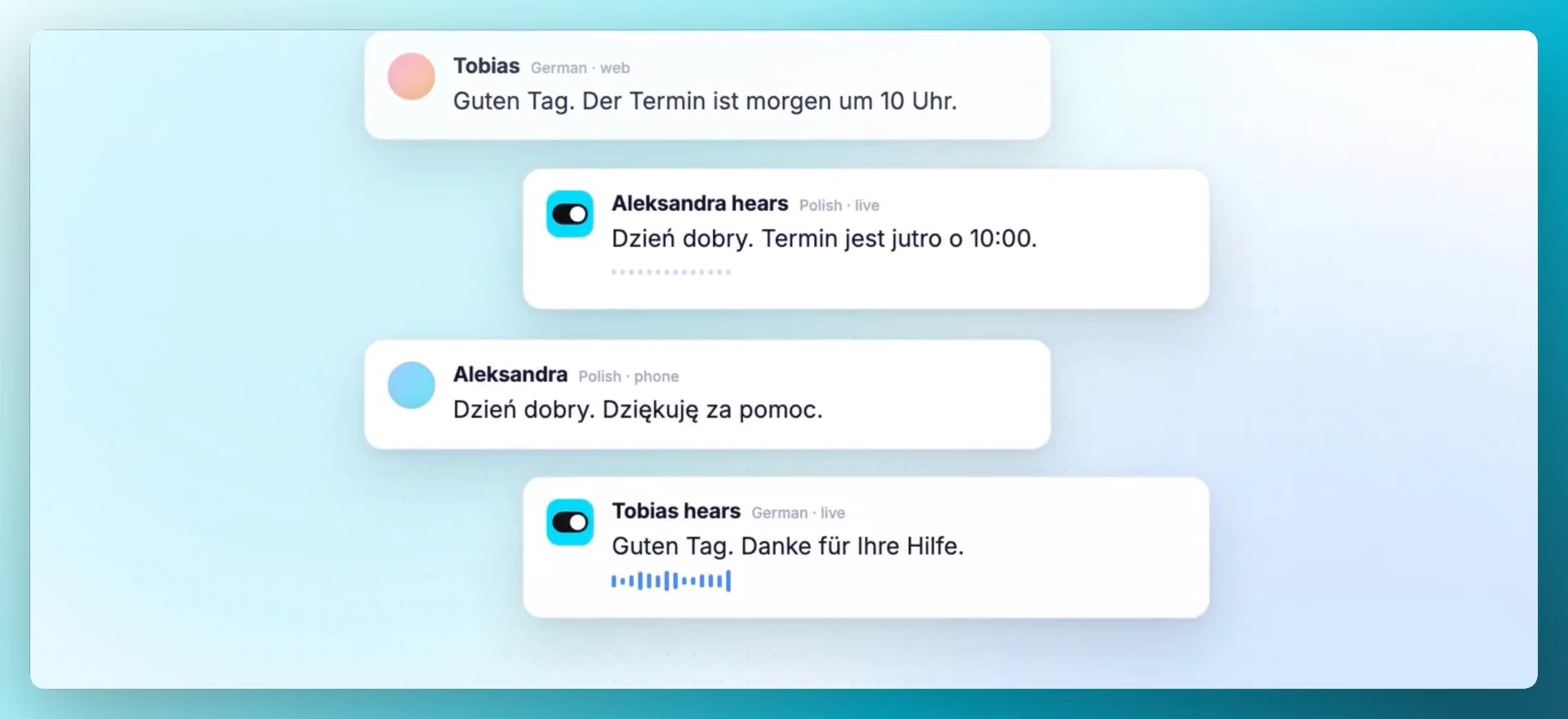
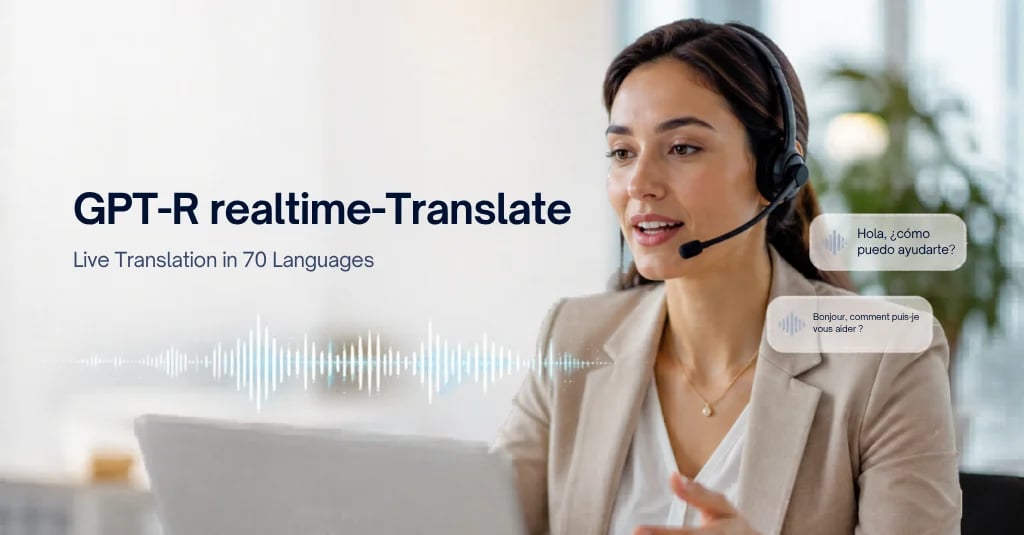
In mei 2026 bracht OpenAI GPT-Realtime-Translate uit, het eerste spraak-naar-spraak vertaalmodel van productieniveau dat het tempo van de spreker in een gesprek bijhoudt — met ondersteuning voor meer dan 70 invoertalen, 13 uitvoertalen en een end-to-end latentie van minder dan een seconde. Voor AI-telefoonagenten verandert dit de economie van meertalige klantenservice. Eén bot kan nu een gesprek in het Pools aannemen, het gesprek live vertalen naar het Duits voor een menselijke medewerker aan de andere kant, en het Duitse antwoord in het Pools terug streamen naar de beller — zonder aparte vertalers, zonder drie aan elkaar geknoopte modellen en zonder de hoorbare vertraging die realtime tolken tot nu toe onpraktisch maakte voor telefonie. Als je van plan bent om in 2026 wereldwijd telefonisch contact te automatiseren, moet je precies begrijpen wat GPT-Realtime-Translate doet, waar de beperkingen liggen en hoe je dit koppelt aan een voice-AI-platform zoals Famulor.
Wat GPT-Realtime-Translate is — en wat het niet is
GPT-Realtime-Translate maakt deel uit van de uitgebreide OpenAI Realtime API en werkt in dezelfde audio-in, audio-uit modus als GPT-Realtime-2. Het verwerkt een continue audiostream van een spreker in een van de 70+ ondersteunde invoertalen en genereert in bijna realtime een audiostream in een van de 13 uitvoertalen. In tegenstelling tot een traditionele pipeline die spraak-naar-tekst, machinevertaling en tekst-naar-spraak aan elkaar rijgt, vindt de vertaling plaats binnen één enkel model — wat de latentie en het verlies van betekenis tussen modellen drastisch vermindert.
Het is belangrijk om duidelijk te zijn: GPT-Realtime-Translate is geen gespreksmodel. Het beantwoordt geen vragen, roept geen tools aan en plant geen afspraken. Het vertaalt — en dat is alles. Iedereen die een volwaardige voice-agent bouwt die afspraken maakt, kwalificeert, classificeert of transacties afhandelt, zal Translate combineren met een redeneermodel zoals GPT-Realtime-2, of afhankelijk van de fase van het gesprek schakelen tussen de twee modi. Famulor regelt die orkestratie binnen de flow-builder en schakelt tijdens het gesprek naadloos tussen vertaal-, dialoog- en tool-gebruiksmodi.
Traditionele STT-MT-TTS pipeline vs. GPT-Realtime-Translate
Tot nu toe vereiste live vertaling in een telefonische context een pipeline met drie fasen: Deepgram of Whisper voor STT, een vertaalmodel zoals Google Translate, DeepL of GPT-4, en tot slot een TTS-engine zoals ElevenLabs of Cartesia Sonic. Het werkt, maar het kost latentie en prosodie, omdat de vertaalde audio vanaf nul wordt gegenereerd en het tempo, de nadruk en de emotionele kleur van de spreker onderweg verloren gaan.
| Criterium | Traditionele STT → MT → TTS | GPT-Realtime-Translate |
|---|---|---|
| End-to-end latentie | 1.500–2.500 ms | 400–900 ms |
| Aantal modellen | 3 (STT + MT + TTS) | 1 |
| Invoertalen | 50–95 (afhankelijk van STT) | 70+ |
| Uitvoertalen | bijna onbeperkt (afhankelijk van TTS) | 13 |
| Prosodie en nadruk | grotendeels verloren | grotendeels behouden |
| Facturatie | per STT-minuut + per MT-token + per TTS-karakter | per minuut (enkele factuur) |
| Codecomplexiteit | hoog (stream-synchronisatie, foutafhandeling) | laag (één endpoint) |
| Tool-calling tijdens vertaling | mogelijk (via apart LLM) | niet direct |
De conclusie voor telefonie: traditionele pipelines zijn nog steeds zinvol wanneer je een zeldzame uitvoertaal nodig hebt of wanneer tool-calls binnen de vertaalstap moeten worden uitgevoerd. Voor al het andere — en dat beslaat het merendeel van de meertalige telefoontoepassingen in 2026 — is Realtime-Translate zowel sneller als goedkoper.
Stapsgewijze implementatie van GPT-Realtime-Translate met Famulor
Famulor is gebouwd om meerdere spraakmodellen binnen één gesprek te orkestreren. GPT-Realtime-Translate wordt gekoppeld via de OpenAI-integratie en in de assistant-builder geconfigureerd als "Vertaalmodus". Een typische inkomende opzet voor wereldwijde klanten ziet er als volgt uit:
- Provisioneer de SIP-trunk. Verbind een internationaal telefoonnummer via Twilio of koppel een lokale Telnyx- of Plivo SIP-trunk. Famulor ondersteunt elke standaardconforme VoIP- of PBX-provider — geen vendor lock-in.
- Detecteer de invoertaal. Binnen de Famulor-flow vindt er op de eerste audioframes een taaldetectie van 1,5 seconde plaats. Als de beller Pools spreekt, schakelt de flow automatisch over naar de Vertaalmodus met invoer "pl" en uitvoer "de".
- Activeer het Vertaalmodel. In de assistant-setup wordt GPT-Realtime-Translate geselecteerd als audio-engine; de doeltaal wordt gekoppeld aan een flow-variabele zodat deze dynamisch kan worden ingesteld.
- Schakel door naar een menselijke medewerker. Famulor streamt de vertaalde audio naar een teamlid via intelligente doorschakeling. De medewerker hoort Duits; de beller hoort Pools.
- Fallback voor niet-ondersteunde uitvoertalen. Als de voorkeurstaal van de beller niet op de lijst met 13 uitvoertalen staat (bijvoorbeeld Sloveens of Hindi), schakelt Famulor automatisch terug naar de klassieke STT-MT-TTS pipeline met Cartesia Sonic of ElevenLabs.
- Rapportage en QA. Elke vertaalsessie wordt in beide talen getranscribeerd en opgeslagen. Compliance-teams kunnen het origineel naast de vertaling controleren.
Het hele proces is in minder dan 30 minuten configureerbaar in de no-code builder. Voor geavanceerdere opstellingen — bijvoorbeeld wanneer CRM-tool-calls na de vertaalstap moeten worden uitgevoerd — wordt de flow uitgebreid met een GPT-Realtime-2 node die het gesprek overneemt zodra de beller een concrete actie aanvraagt.
Industrievoorbeelden waar live vertaling zichzelf direct terugbetaalt
Horeca. Een boetiekhotel met 60 kamers in Wenen met 65% internationale gasten handelt reserverings- en conciërgegesprekken buiten kantooruren af. Voorheen: drie talen overdag, Engels in het weekend, al het andere ging naar de voicemail. Met GPT-Realtime-Translate plus de Famulor inkomende bot voor horeca worden vragen in het Pools, Tsjechisch, Arabisch en Russisch live vertaald naar het Duits, afgehandeld door de nachtconciërge en weer terugvertaald. Conversie van directe boekingen uit niet-Engelstalige markten: +38% in het eerste kwartaal.
Contactcenter voor e-commerce. Een online retailer in de DACH-regio breidt uit naar Spanje, Frankrijk, Italië en Polen. In plaats van vier lokale supportteams op te bouwen, neemt de Famulor contactcenter-agent inkomende gesprekken aan in de lokale taal, vertaalt deze voor het Duitse supportteam en geeft het antwoord terug. Personeelsuitbreiding wordt vermeden; de time-to-market daalt van negen maanden naar drie weken.
Wegenwacht en hulpdiensten. Wegenwachtdiensten in de EU ontvangen regelmatig gesprekken in talen die hun dispatchers niet spreken. Oude workflow: raad de GPS-locatie, vraag om een terugbelverzoek in een andere taal. Met Realtime-Translate hoort de dispatcher het adres bij de eerste poging in het Duits, stuurt direct de sleepwagen en de beller blijft aan de lijn.
Thuiszorg en sociale diensten. Thuiszorgverleners die multiculturele wijken bedienen, kunnen intakegesprekken en routinecontroles voeren in het Arabisch, Turks of Oekraïens. Zorgcoördinatoren op kantoor werken nog steeds in het Duits, waarbij het hele gesprek tweetalig wordt getranscribeerd voor het patiëntendossier.
Belasting- en juridisch advies voor internationale cliënten. Een middelgroot accountantskantoor dat Poolse, Italiaanse en Franse zakelijke klanten bedient, beperkte de eerste intake voorheen tot een halve dag tweetalige receptie. Een Famulor inkomende agent in Vertaalmodus dekt nu elk gesprek buiten kantooruren, vat de intentie samen in een gestructureerde e-mail voor de verantwoordelijke accountant en logt de interactie in het CRM. Eerste-contactpercentage buiten kantooruren: van 12% naar 71%.
Reisorganisaties en touroperators. Reisbureaus met directe klanten in meerdere EU-markten kunnen annuleringen, omboekingen en servicevragen de klok rond afhandelen in de moedertaal van de reiziger — zonder lokale serviceteams in elke markt op te bouwen. Bijzonder waardevol tijdens weersomstandigheden of stakingen wanneer het gespreksvolume plotseling piekt.
Kosten en ROI: wanneer de overstap loont
OpenAI factureert GPT-Realtime-Translate per minuut, niet per token zoals de redeneermodellen. Dat maakt kostenplanning voor telefonie voorspelbaar: een vertaald gesprek van vijf minuten kost een vast bedrag, ongeacht hoeveel er gesproken is. Traditionele STT-MT-TTS pipelines zijn 15–40% duurder per minuut, en de latentie-straf leidt tot een uitvalpercentage van 2–4% omdat ongeduldige bellers ophangen.
Voordat je migreert, moet je het gespreksvolume per taal modelleren. Als een markt minder dan 200 vertaalde minuten per maand genereert, verdient de opzet zich mogelijk niet terug, zelfs niet bij een volledige ROI. Als het volume de 800 minuten overschrijdt, is de ROI bijna altijd positief.
Bereken je ROI met geautomatiseerde gesprekken
Ontdek hoeveel je per maand bespaart via AI voice agents.
ROI Resultaat
ROI 0%
Geen creditcard nodig
Best practices en veelgemaakte fouten
Detecteer de invoertaal snel en stabiel. De detector moet binnen twee seconden een beslissing nemen, anders hoort de beller een vertraagde "hallo". Famulor gebruikt een dual-path aanpak: een snelle detector met lagere precisie draait in de eerste 800 ms, terwijl een tragere, nauwkeurigere detector het resultaat valideert — als de precieze detector de taal herziet, ervaart de gebruiker hooguit een hapering van één lettergreep.
Controleer cultureel register en idiomatische formuleringen. Vertaling behoudt de semantische betekenis, maar cultureel register, regionale aanspreekvormen en sectorspecifieke terminologie kunnen afwijken. Stel een woordenlijst in de Famulor-kennisbank in voor vereiste vertalingen ("IBAN" blijft "IBAN"; "annuleringskosten" moet in het Duits altijd worden vertaald als "Stornogebühr").
Maak het gebruik van AI aan het begin van het gesprek bekend. Onder de EU AI Act (Artikel 50, van kracht vanaf augustus 2026) moet elke beller worden verteld dat hij met een AI spreekt — zelfs als de AI alleen vertaalt. Famulor levert vooraf gebouwde bekendmakingstemplates in alle 70+ invoertalen en kan de bekendmaking automatisch afspelen op basis van de gedetecteerde taal.
Houd rekening met het plafond van 13 uitvoertalen. Als de uitvoertaal van je belangrijkste markt niet in de Vertaallijst staat (bijvoorbeeld Noors of Hindi), moet de flow naar een klassieke pipeline worden gerouteerd. Dat fallback-pad moet vóór de livegang worden getest, anders verlies je precies de gesprekken die de nieuwe service moest winnen.
Vertaal nooit twee keer. Een veelvoorkomende MVP-bug: Translate zet de audio van de beller om naar het Duits, de menselijke medewerker reageert, en de antwoordstroom wordt een tweede keer door Translate gehaald, ook al is deze al in de doeltaal. Famulor herkent de sprekersrol en routeert alleen de stroom van de beller door het vertaalmodel.
Wanneer GPT-Realtime-Translate niet de juiste tool is
Translate is niet bedoeld voor uitgaande verkoopgesprekken waarbij de AI-agent discussieert, bezwaren afhandelt en afspraken boekt — dat vereist GPT-Realtime-2 of een vergelijkbare gespreksstack met tool-calls. Translate is ook ongeschikt voor sterk gereguleerde omgevingen waar vertalingen moeten worden beëdigd of ondertekend door een gecertificeerde tolk (rechtszaken, asielprocedures). En iedereen die hyperregionale dialecten of extreem zeldzame talen dekt, is vaak beter af met gespecialiseerde STT-leveranciers plus een handmatige woordenlijst dan met het gegeneraliseerde Vertaalmodel.
Hoe Famulor verschilt van concurrerende voice-AI-platforms
Vapi, Bland en Retell bieden OpenAI Realtime-connectiviteit, maar leveren geen ingebouwde vertaalorkestratielaag met taaldetectie, fallback-routing en bekendmakingstemplates. Synthflow en PolyAI richten zich meer op pure conversationele AI en behandelen vertaling als een randgeval. Famulor verschilt op drie punten: ten eerste EU-hosting met volledige gegevensverwerkingsovereenkomsten voor DACH-klanten; ten tweede de native no-code flow-builder die de vertaalmodus, tool-calls en menselijke overdracht in dezelfde interface orkestreert; en ten derde de 300+ integraties die vertaalde inhoud direct in CRM's, helpdesks of boekingssystemen schrijven zonder aangepaste code. We hebben meer geschreven over deze multi-engine architectuur in onze gids voor taal- en accentdiversiteit.
Conclusie: als je wereldwijd wilt schalen, schakel dan nu over
GPT-Realtime-Translate is de eerste live vertaling van productieniveau die snel genoeg is voor echte telefoongesprekken en goedkoop genoeg voor elke mid-market toepassing. Als je momenteel gesprekken in meer dan drie talen ontvangt en dit oplost met lokale teams, voicemail of aan elkaar geknoopte vertaalpipelines, kun je binnen enkele dagen een AI-agent met Translate-functionaliteit in Famulor opzetten, je kosten per vertaald gesprek met 20–35% verlagen en merkbaar sneller reageren. De volgende stap is een opstartgesprek van 15 minuten waarin we je taalmengeling, gespreksvolume en SIP-opzet samen in kaart brengen.
Probeer onze AI-assistent
Ervaar hoe natuurlijk onze AI-telefoonassistent klinkt.
Vul je gegevens in en ontvang binnen enkele seconden een oproep van onze AI-agent.
De agent is getraind om over Famulor-diensten te praten en afspraken te maken.

Demo AI-agent
Famulor medewerker
FAQ
Welke talen accepteert GPT-Realtime-Translate als invoer?
Meer dan 70 talen, inclusief elke grote Europese taal plus Arabisch, Turks, Russisch, Mandarijn, Hindi, Japans en Koreaans. OpenAI publiceert de volledige lijst in de Realtime API-documentatie.
Welke talen kan GPT-Realtime-Translate spreken als uitvoer?
13 uitvoertalen, waaronder Engels, Duits, Frans, Spaans, Italiaans, Portugees, Nederlands, Pools, Japans, Koreaans en Mandarijn. Voor niet-ondersteunde uitvoertalen routeert Famulor automatisch naar een klassieke STT-MT-TTS pipeline.
Hoe snel is de vertaling in een echt telefoongesprek?
De end-to-end latentie ligt tussen de 400 en 900 milliseconden, afhankelijk van netwerkomstandigheden en audiocodec. Dat blijft ruim onder de drempel voor een natuurlijk gespreksritme.
Wat kost een vertaalde telefoonminuut met GPT-Realtime-Translate?
OpenAI rekent per minuut in het lage centenbereik, wat de meeste klassieke STT-MT-TTS opstellingen onderbiedt. In Famulor worden telefoniekosten (Twilio, Telnyx) en de Famulor-platformvergoeding toegevoegd — de ROI-calculator hierboven modelleert dit in detail.
Is een Vertaalsessie conform de EU AI Act en AVG?
Ja, mits de AI-bekendmaking aan het begin van het gesprek wordt afgespeeld en audio wordt verwerkt binnen een AVG-conforme infrastructuur. Famulor host in de EU, ondertekent gegevensverwerkingsovereenkomsten en levert bekendmakingstemplates in alle invoertalen.
Kan de AI-agent tools aanroepen (zoals een afspraak boeken) tijdens het vertalen?
GPT-Realtime-Translate zelf ondersteunt geen tool-calls. Famulor lost dit in de flow-builder op door middel van modus-schakeling: wanneer de beller een concrete actie aanvraagt, draagt de flow over aan GPT-Realtime-2, die de tool-calls uitvoert en vervolgens terugkeert naar de Vertaalmodus.
Werkt dit ook op vaste nummers, of alleen op VoIP-apps?
Het werkt op beide. Famulor koppelt elke SIP-trunk, dus vaste en mobiele nummers worden gedekt via Twilio, Telnyx, Plivo of een lokale PBX-provider. De beller heeft geen speciale app nodig.
Wat gebeurt er met achtergrondgeluid of slechte audiokwaliteit?
GPT-Realtime-Translate is getraind op realistische audio-omgevingen en gaat goed om met straatlawaai of mobiele compressie. Bij zeer slechte verbindingen voegt Famulor automatisch een herbevestiging toe ("Kunt u dat herhalen, alstublieft?") voordat de vertaling naar de medewerker wordt gestuurd.
Hoeveel gelijktijdige vertaalgesprekken kan Famulor aan?
Famulor schaalt horizontaal — gelijktijdigheid wordt alleen beperkt door je abonnement en SIP-capaciteit. Voor 50–500 gelijktijdige inkomende vertaalgesprekken zijn de standaard OpenAI Realtime API-limieten voldoende; hogere volumes worden gecoördineerd via enterprise-quota.
Hoe ga ik aan de slag met GPT-Realtime-Translate in Famulor?
Maak een nieuwe assistant aan in het Famulor-dashboard, kies "Vertaalmodus" als audio-engine, koppel je SIP-nummer en test de bot met inkomende gesprekken in drie voorbeeldtalen. De volledige opzet duurt minder dan 30 minuten — en voor een diepere blik op SIP-opties raden we onze gids voor Telnyx, Twilio en SIP-trunks aan voordat je live gaat.

Auteur bij Famulor