Résumer le contenu avec:




Agent vocal IA pour garages automobiles : automatisez la prise de rendez-vous et l'accueil client
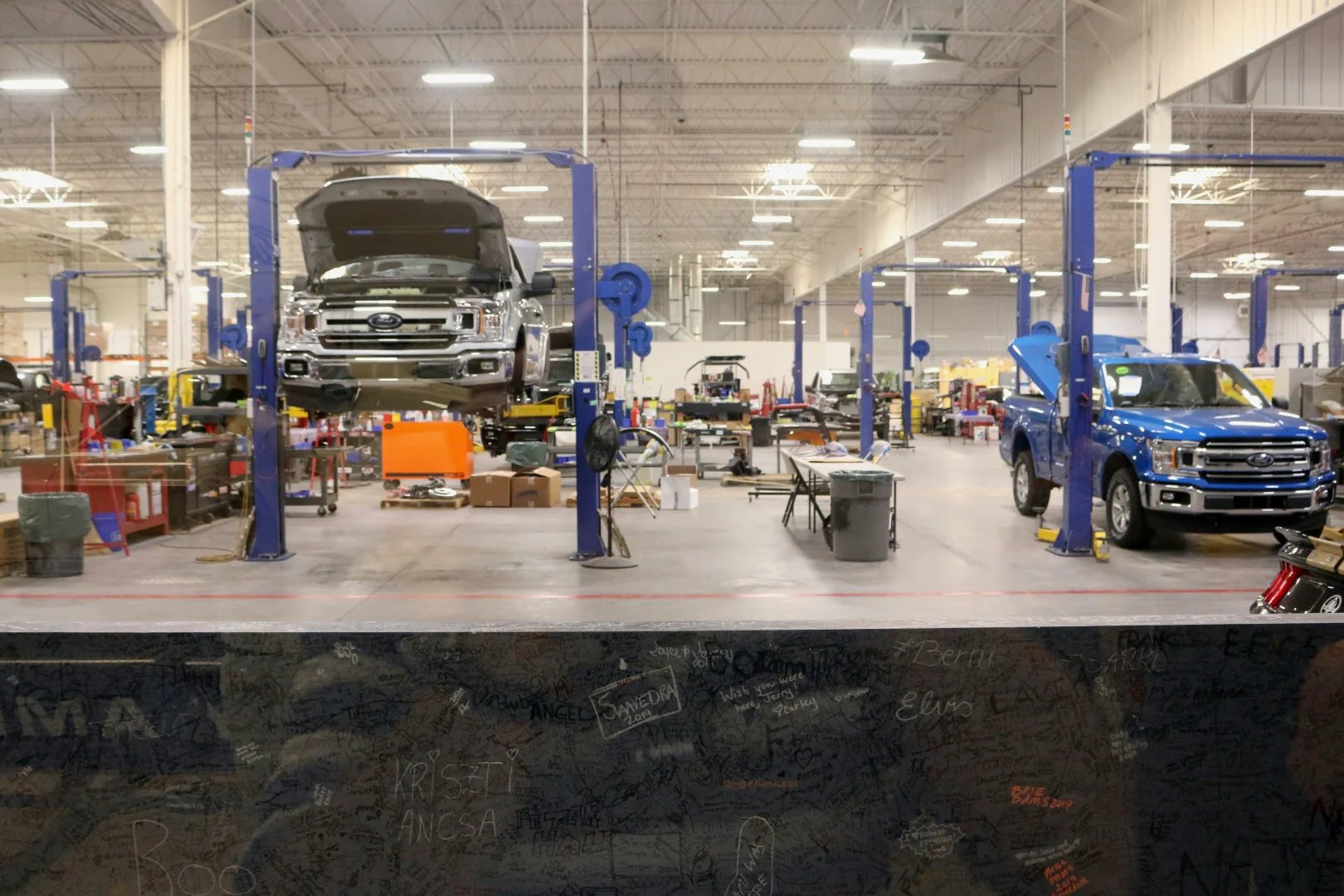
Un garage automobile employant trois mécaniciens reçoit entre 30 et 80 appels lors d'une journée de travail classique. Qui répond au téléphone lorsque les trois sont sous un véhicule, au banc de freinage ou en train de conseiller un client au comptoir ? C'est précisément là qu'un agent vocal IA devient indispensable : il répond à chaque appel, qualifie la demande, réserve les créneaux d'intervention dans le calendrier de l'atelier et ne transfère la conversation à un humain que lorsque cela est réellement nécessaire. Les garages qui déploient cette technologie cessent de perdre des clients à cause d'appels manqués et libèrent de la capacité pour les travaux qui génèrent réellement du chiffre d'affaires.
Cet article explique concrètement comment fonctionne un agent vocal IA au sein d'un garage, quels cas d'usage offrent le meilleur levier, quel est le coût de déploiement et quels pièges éviter lors de la mise en œuvre. Pour une vue d'ensemble du secteur, consultez le hub Famulor dédié à l'automobile et aux services artisanaux.
Pourquoi les appels manqués coûtent cher aux garages automobiles
Les enquêtes menées auprès des propriétaires de garages indépendants en Europe et en Amérique du Nord dressent un constat récurrent : environ un appel sur trois reste sans réponse. Les raisons sont opérationnelles. Les mécaniciens travaillent avec des protections auditives, le comptoir est occupé par des clients sans rendez-vous, et le propriétaire quitte rarement la zone des ponts élévateurs. Lorsqu'un appel est manqué, dans 80 % des cas, le client ne rappelle pas : il compose le numéro du garage suivant dans la ville.
Un appel manqué équivaut généralement à une commande de réparation perdue. Avec un revenu moyen par ticket compris entre 380 et 620 dollars, les appels manqués représentent rapidement une perte de 8 000 à 15 000 dollars de chiffre d'affaires mensuel pour un garage de taille moyenne. Un agent vocal IA comble cette lacune, 24h/24 et 7j/7, y compris le dimanche à 22h lorsqu'un client veut savoir quoi faire le lendemain matin après une morsure de fouine dans son compartiment moteur.
Cas d'usage typiques dans un garage automobile
Un agent vocal IA dans un garage ne couvre pas un scénario unique, mais plutôt un ensemble d'appels standards qui, aujourd'hui, sont dispersés entre le conseiller service, la réceptionniste et le propriétaire.
- Prise de rendez-vous pour réparation et contrôle : L'agent demande la marque, le modèle, l'année, la plaque d'immatriculation et le problème, vérifie les créneaux disponibles dans le calendrier de l'atelier et confirme le rendez-vous pendant l'appel.
- Rappels pour contrôle technique et antipollution : L'agent appelle de manière proactive les clients existants dont le contrôle technique arrive à échéance dans les 30 prochains jours et propose des créneaux.
- Saison du changement de pneus : Entre mars et mai, puis d'octobre à décembre, le volume d'appels explose. L'agent répartit les rendez-vous de manière équilibrée sur les semaines sans mobiliser un membre du personnel au téléphone toute la journée.
- Suivi de l'état d'avancement : Les clients dont le véhicule est à l'atelier appellent généralement vers l'heure du déjeuner pour vérifier l'avancement des réparations. L'agent lit le statut de la commande dans le logiciel de gestion et répond immédiatement.
- Demandes de devis : L'agent note les détails, crée une fiche de réception structurée et informe le conseiller service par e-mail ou webhook.
- Dépannage et urgences : Pour les urgences en dehors des heures d'ouverture, l'agent reconnaît l'intention et redirige, selon les règles établies, vers le mécanicien d'astreinte ou un service de remorquage partenaire.
- Questions de facturation : L'agent répond aux questions standards simples à partir de la base de connaissances ou transmet les sujets plus complexes à la comptabilité.
Humain versus agent vocal IA : quelles sont les limites ?
Un agent vocal IA ne remplace pas un conseiller service expérimenté lorsqu'un client se présente au comptoir avec un problème complexe. Mais il gère de manière fiable les 70 à 80 % de conversations téléphoniques routinières qui, en pratique, consomment la majeure partie de la capacité du personnel.
| Tâche | Humain | Agent vocal IA |
|---|---|---|
| Prendre rendez-vous pour un contrôle | 2-4 minutes | 45-90 secondes, 24/7 |
| Rendez-vous changement de pneus | 1-3 minutes | 40-70 secondes, en parallèle d'autres appels |
| Relance pour contrôle technique | non scalable | 200-500 appels par jour possibles |
| Dommages complexes avec inspection visuelle | sur site, situationnel | non adapté, transférer au conseiller service |
| Statut d'une réparation en cours | interruption fréquente du travail | consultation directe de la base de données, aucune interruption |
| Conseils sur les alternatives de réparation | savoir-faire du conseiller service | transfert après saisie des données |
Comment fonctionne le déploiement étape par étape
Un agent vocal IA pour un garage est généralement opérationnel en 5 à 10 jours ouvrables lorsque l'atelier collabore avec une plateforme comme Famulor. La séquence typique :
- Capturer les modèles d'appels : Quels appels arrivent et quand ? Combien restent sans réponse ? Quels sujets reviennent le plus souvent ? Une semaine de journalisation systématique des catégories principales suffit pour une configuration initiale.
- Remplir la base de connaissances : Adresse du garage, horaires d'ouverture, portefeuille de services, spécialités par marque, service de récupération et de livraison, options de véhicules de courtoisie, modes de paiement acceptés, fourchettes de prix courantes, FAQ sur les devis : tout cela est enregistré une fois pour toutes.
- Intégration du calendrier : Le logiciel de gestion d'atelier (comme Mitchell 1, Shop-Ware, AutoLeap ou un Google Calendar avec des types de services en catégories de créneaux) est connecté à l'agent vocal. Famulor prend en charge nativement Cal.com, Calendly et GoHighLevel, ainsi que tout autre système via des webhooks.
- Définir les règles de conversation : Quels problèmes sont transférés directement ? Quels sujets déclenchent une demande de rappel ? Quels niveaux d'urgence alertent le mécanicien d'astreinte ?
- Routage SIP vers le numéro de téléphone existant : L'agent vocal fonctionne sur le numéro de téléphone existant du garage aux côtés du personnel humain. Le trunking SIP permet une intégration avec tous les principaux fournisseurs VoIP sans forcer les clients à apprendre un nouveau numéro.
- Phase pilote avec échantillonnage : Durant la première semaine, le propriétaire ou un membre du personnel désigné écoute un échantillon aléatoire d'appels. Les ajustements des prompts prennent quelques minutes.
- Mise en production complète : Après une phase de réglage, l'agent gère en permanence l'accueil de premier niveau. L'accueil humain n'intervient que sur les cas où le système déclenche activement une escalade.
Couverture multilingue : un levier sous-estimé
Les garages situés dans les zones métropolitaines (Los Angeles, New York, Toronto, Londres, Berlin, Sydney) servent des clients dont la langue maternelle varie. L'espagnol, le mandarin, le polonais, le turc, l'arabe ou le français sont courants au comptoir. Un conseiller service humain ne parle souvent qu'une ou deux langues, ce qui entraîne en pratique des appels plus longs et des malentendus sur la description des dommages. Famulor prend en charge plus de 40 langues, détectées et traitées automatiquement. Si un appelant demande un rendez-vous en espagnol, l'agent répond en espagnol, et la description des dommages est transmise de manière structurée en anglais au chef d'atelier. Cela augmente généralement le taux de conversion des nouveaux clients de 15 à 25 %.
Appels sortants : rappels de contrôle, intervalles d'entretien et changement de pneus
Les appels entrants sont l'application évidente, mais le plus gros levier de revenus réside souvent dans les appels sortants. Un garage moyen compte entre 1 500 et 4 000 clients actifs dans sa base de données, dont environ 8 % ont un contrôle ou un entretien à effectuer chaque mois. Un membre du personnel, s'il ne fait rien d'autre de la journée, gère peut-être 40 à 60 de ces appels ; le reste est ignoré. Un agent vocal IA traite systématiquement toute la liste, propose trois créneaux horaires, réserve le bon directement dans le calendrier et crée un ordre de réparation dans le logiciel de gestion. Le revenu supplémentaire généré par cette seule campagne se situe généralement entre 6 000 et 18 000 dollars par mois.
Protection des données : ce qui n'est pas négociable
Un garage traite des données personnelles : nom, adresse, numéro de téléphone, plaque d'immatriculation, numéro d'identification du véhicule, description des dommages. Lors du choix d'une plateforme d'IA vocale, la conformité réglementaire n'est donc pas optionnelle. Critères importants :
- Hébergement régional : Les données ne quittent pas la région. Famulor héberge tous les composants de traitement vocal et de stockage dans des centres de données européens, avec des options régionales pour l'Amérique du Nord.
- Accord de traitement des données (DPA) : Offre standard, téléchargeable depuis le compte.
- Enregistrement avec consentement : L'agent vocal peut annoncer l'enregistrement au début de l'appel et recueillir le consentement, une étape juridiquement pertinente dans de nombreuses juridictions.
- Conservation des données avec logique de suppression : Les transcriptions d'appels et les fichiers audio peuvent être supprimés automatiquement avec des fenêtres de rétention configurables.
Estimez votre ROI en automatisant vos appels
Voyez combien vous pourriez économiser chaque mois grâce aux voice agents IA.
Résultat ROI
ROI 0%
Sans carte bancaire
Erreurs de déploiement courantes
Les garages qui adoptent un agent vocal IA pour la première fois ont tendance à répéter quatre erreurs.
- Script trop complexe : Apprendre à l'agent trente types de services et six succursales à la fois produit des conversations maladroites pendant la phase pilote. Recommandation : couvrez d'abord les trois demandes les plus courantes, puis développez de manière itérative.
- Calendrier non synchronisé : Un agent vocal IA sans calendrier connecté réserve des rendez-vous fantômes. L'intégration du calendrier n'est pas optionnelle, c'est un prérequis.
- Aucune règle d'escalade : Si le client ne peut pas expliquer le problème après trois tentatives, l'agent doit reconnaître qu'un transfert vers un humain est approprié. Sans cette règle, la frustration s'installe.
- Personnel non informé : Les mécaniciens et le personnel de service doivent savoir qu'un agent vocal est utilisé, quels appels il gère et lesquels arrivent au comptoir. Sans cette clarté, une confusion interne s'installe.
Ce que coûte une solution raisonnable
Le coût d'un agent vocal IA dans un garage se compose de trois éléments : des frais de plateforme, les minutes d'appel consommées et éventuellement des frais d'intégration uniques. Famulor travaille avec une tarification transparente à la minute et une licence mensuelle gérable. Un garage avec environ 1 000 minutes d'appel par mois se situe généralement entre 145 et 160 dollars de coût total, soit un ou deux tickets de réparation. Plus de détails dans l'aperçu des tarifs actuels.
Intégration du logiciel de gestion d'atelier : ce qui a du sens
Le garage utilise déjà un système : souvent Mitchell 1, Shop-Ware, AutoLeap, Tekmetric ou une solution spécifique au fournisseur. Un agent vocal IA n'a pas besoin de reproduire toutes les fonctionnalités, mais il doit communiquer avec ces systèmes. Grâce à plus de 300 intégrations et des webhooks ouverts, les points de données les plus importants sont échangés : données de base des clients, historique des véhicules, créneaux libres, statut des ordres de travail. Lorsqu'une API directe est manquante, un outil de workflow comme Make, n8n ou Zapier sert de pont.
Une variante concrète du secteur : le garage multimarque
Un garage indépendant multimarque spécialisé dans VW, BMW et Mercedes reçoit en moyenne 60 à 90 appels par jour. La moitié de ces appels sont routiniers : rendez-vous, statut, estimations de prix. L'agent vocal gère entièrement cette moitié. L'autre moitié est filtrée et seuls les cas techniquement exigeants sont transmis au chef d'atelier. Dans l'exemple concret d'un garage de 14 personnes avec trois ponts dans une ville américaine de taille moyenne, l'agent vocal a été rentabilisé uniquement par les appels supplémentaires capturés en moins de six semaines.
Département service d'une concession franchisée : des exigences légèrement différentes
Les centres de service des concessions franchisées ont des exigences supplémentaires : demandes de vente de voitures neuves, réservations d'essais, sujets liés à la garantie, questions de financement. Ces cas peuvent être cartographiés comme leurs propres flux de conversation dans l'agent vocal IA : l'agent reconnaît l'intention et redirige vers le service, la vente ou la coordination de location. Par rapport aux menus IVR classiques, le système gagne ici de manière décisive, car les appelants expriment leur demande en langage naturel plutôt que de naviguer dans cinq menus à touches. Lisez également notre article sur le dispatch 24/7 pour les métiers et services sur le terrain pour des cas d'usage adjacents.
Perspectives : ce que 2026 réserve à la communication des garages
Trois tendances façonneront la communication des garages en 2026. Premièrement, la messagerie devient la norme pour les mises à jour de statut. Les clients veulent recevoir la notification "votre voiture est prête" sous forme de message plutôt que par appel téléphonique. Les agents vocaux deviennent omnicanaux : ils prennent l'appel et poursuivent le flux de statut via WhatsApp ou SMS. Deuxièmement, les véhicules électriques changent le métier. Les agents vocaux IA doivent reconnaître les sujets spécifiques aux VE comme les problèmes de charge, les diagnostics de batterie ou les mises à jour logicielles et rediriger vers la bonne équipe. Troisièmement, la disponibilité 24/7 passe d'un facteur de différenciation à une attente de base. Un garage dont le téléphone bascule sur répondeur après 17h perdra systématiquement des parts de marché au cours des deux prochaines années.
Conclusion
Un garage automobile perd un travail potentiel à chaque appel sans réponse. Un agent vocal IA comble cette lacune de manière fiable, sans forcer le propriétaire à embaucher plus de personnel. La mise en œuvre prend une à deux semaines, le retour sur investissement se fait sentir en quatre à huit semaines, surtout lorsque des campagnes sortantes comme les rappels de contrôle technique et les campagnes de changement de pneus sont mises en place simultanément. Famulor est le premier choix pour les garages automobiles car la plateforme héberge en UE avec des options régionales, couvre plus de 40 langues, s'intègre nativement aux calendriers et logiciels de gestion courants, et offre une tarification transparente sans frais d'installation. La prochaine étape pour un garage intéressé : réservez un appel de démonstration de 15 minutes et passez en revue votre cas d'usage spécifique.
Essayez notre Assistant IA
Découvrez à quel point notre assistant téléphonique IA sonne naturel.
Entrez vos coordonnées et recevez un appel de notre agent IA en quelques secondes.
L'agent est formé pour parler des services Famulor et prendre des rendez-vous.

Agent IA de démo
Représentant Famulor
FAQ
Un agent vocal IA peut-il remplacer mon personnel ?
Non. L'agent gère les appels routiniers : rendez-vous, vérifications de statut, questions standards. Les conversations de réparation complexes restent entre les mains du conseiller service. L'objectif est le soulagement, pas le remplacement.
À quelle vitesse un agent vocal IA est-il prêt pour mon garage ?
Avec une bonne préparation, en 5 à 10 jours ouvrables. La phase la plus longue n'est pas la technologie, mais la collecte des questions et réponses typiques de la vie du garage.
Dois-je changer mon numéro de téléphone ?
Non. Grâce au trunking SIP, le numéro de garage existant reste en place. L'agent vocal fonctionne aux côtés de l'accueil humain ou en tant que pré-filtre.
L'agent peut-il parler à mon logiciel de gestion d'atelier ?
Dans la plupart des cas oui, soit via une API directe, soit via des outils de workflow comme Make, n8n ou Zapier. Famulor propose plus de 300 intégrations et des webhooks ouverts pour tout cas personnalisé.
Un agent vocal IA est-il conforme aux réglementations sur la protection de la vie privée ?
Oui, à condition que la plateforme héberge dans votre région, propose un accord de traitement des données et n'enregistre qu'avec consentement. Famulor répond à ces critères.
Que se passe-t-il lors des pics d'appels, comme la saison du changement de pneus ?
Un agent vocal IA évolue sans limites. Qu'il y ait 5 ou 50 appelants en même temps, chaque appel est pris en charge et traité.
Quelles langues l'agent prend-il en charge ?
Plus de 40 langues, détectées automatiquement. L'espagnol, le mandarin, le polonais, le turc et l'arabe sont particulièrement pertinents dans la vie du garage et sont bien gérés avec les accents locaux.
Combien coûte la solution par mois ?
Un garage moyen avec environ 1 000 minutes d'appel paie entre 145 et 160 dollars par mois. Cela correspond généralement à un ou deux tickets de réparation supplémentaires.
Les appels sortants peuvent-ils aussi être automatisés, comme les rappels de contrôle ?
Oui. L'agent appelle les clients existants de son propre chef, propose des créneaux et les réserve dans le calendrier. Les campagnes sortantes sont généralement le plus gros levier de revenus.
Que se passe-t-il lorsque l'agent ne peut pas répondre à une question ?
Il reconnaît la limite, planifie un rappel, transfère à un membre du personnel ou envoie la demande sous un format structuré par e-mail ou webhook à la bonne équipe.

Rédacteur chez Famulor