Inhoud samenvatten met:




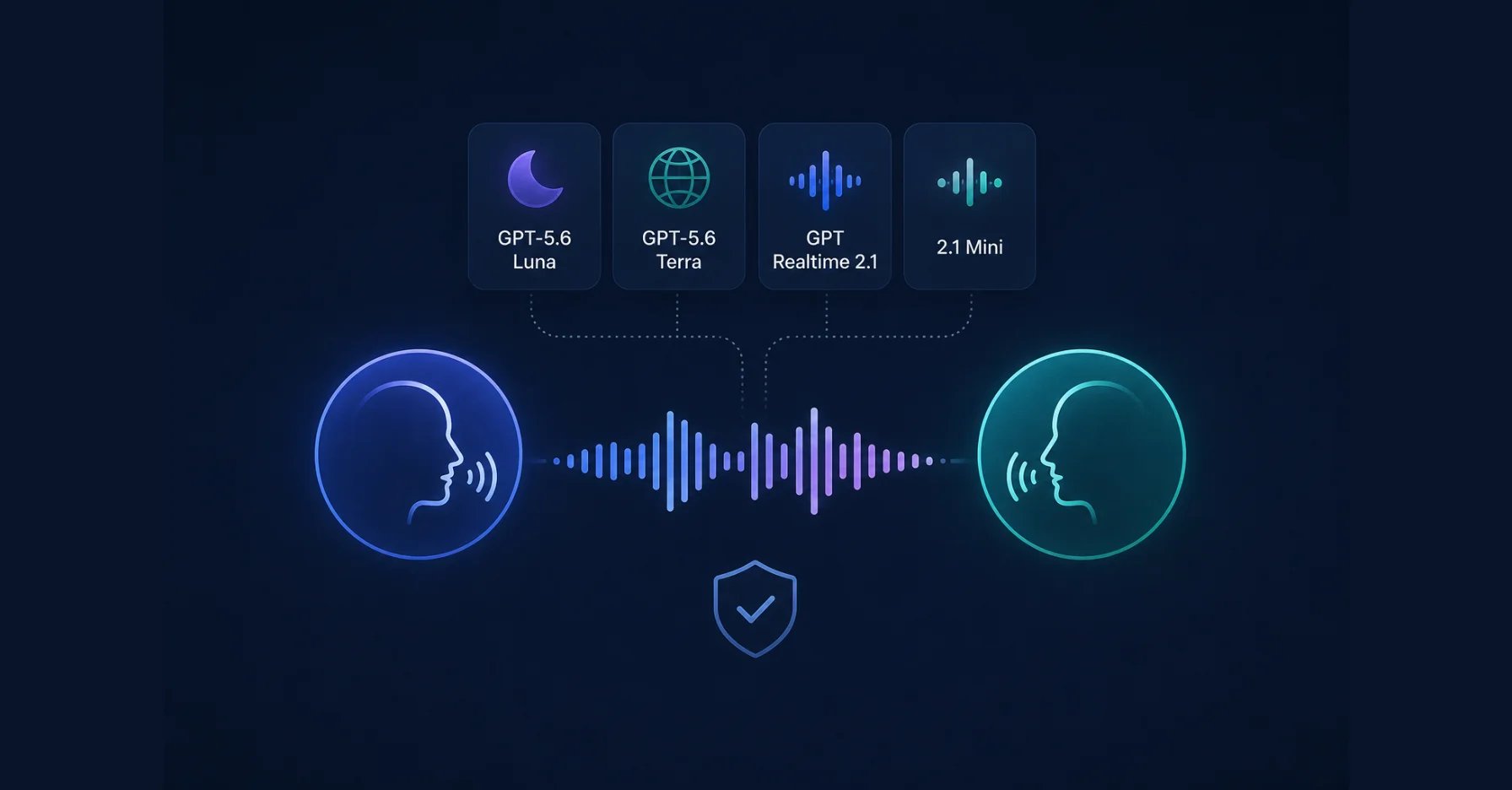
Onderbrekingen zijn geen klein detail in Voice AI. Ze bepalen of een AI-telefoonagent aanvoelt als een natuurlijke gesprekspartner, of dat hij midden in een zin stopt door een “uh-huh”, een kuchje of achtergrondgeluid. Sinds 14 juli 2026 kan de instelling “Allow interruptions” van Famulor worden beheerd in alle drie de gespreksmodi: Pipeline, Speech-to-Speech en Dualplex™.
Hiermee verandert een technische instelling in een duidelijke beslissing voor het gespreksontwerp: waar moet de beller op elk moment het woord kunnen nemen en welke boodschap moet de agent volledig uitspreken? Deze gids legt barge-in uit, biedt een praktische beslissingsmatrix en zet een testplan op voor zakelijke telefonie.
Wat betekent barge-in voor een AI-telefoonagent?
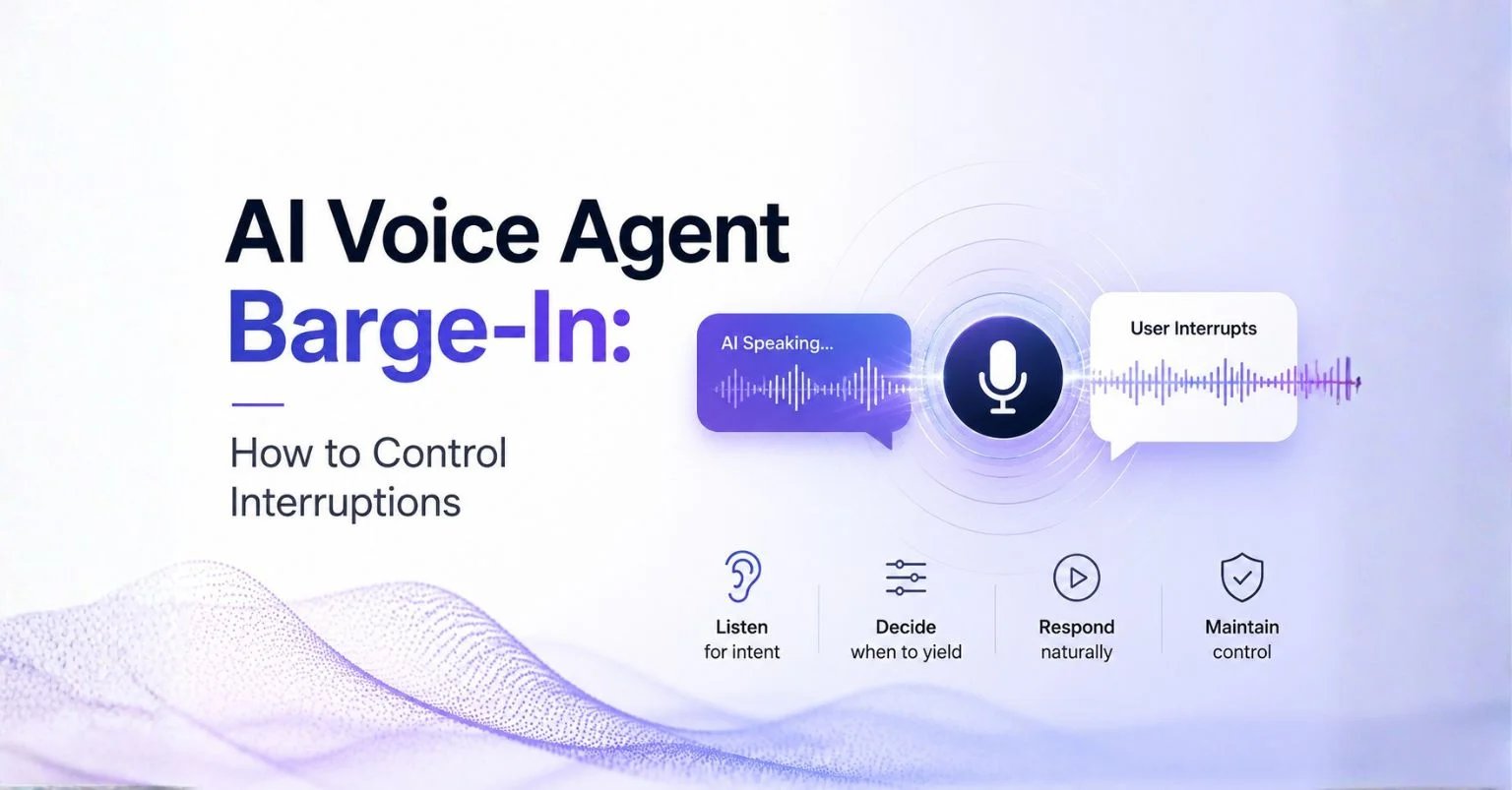
Barge-in is het vermogen van een voice-agent om zijn eigen spraak te stoppen zodra de beller begint te praten. Een goed systeem moet meer doen dan alleen audio detecteren: het moet een oprechte poging om het woord te nemen kunnen onderscheiden van irrelevante ruis.
Verschillende lagen werken hierbij samen:
- Voice Activity Detection (VAD): Detecteert of er menselijke spraak aanwezig is op de lijn.
- End-of-turn detectie: Bepaalt wanneer de beller daadwerkelijk is uitgesproken.
- Audio-onderdrukking: Stopt de huidige output snel genoeg om te voorkomen dat de agent door de beller heen praat.
- Contextherstel: Verwerkt de onderbreking zonder de gespreksdraad of een reeds bevestigde waarde te verliezen.
De uitdaging is een afweging. Hoge gevoeligheid maakt het gesprek responsief, maar verhoogt het risico op valse onderbrekingen. Lage gevoeligheid beschermt tegen televisiegeluid, zijgesprekken en echo, maar kan ertoe leiden dat de agent te lang blijft praten. De gids van Famulor over onderbrekingen en spraakgevoeligheid legt de relevante instellingen in meer detail uit.
Wat is er veranderd in Famulor
Voorheen kon “Allow interruptions” worden beheerd in de Pipeline-modus, terwijl Speech-to-Speech en Dualplex™-assistenten altijd onderbreekbaar waren. Met de nieuwste update geldt de schakelaar nu voor elke gespreksmodus. Teams kunnen daarom zeer natuurlijke realtime-modellen configureren om belangrijke passages af te ronden zonder te worden onderbroken.
Je vindt de instelling onder Assistant settings → “Allow interruptions?”. Deze vormt een aanvulling op de andere audio- en timingparameters die worden beschreven in de gids voor algemene assistent-instellingen.
Wanneer onderbrekingen ingeschakeld moeten blijven
Barge-in zorgt over het algemeen voor de beste ervaring tijdens open, conversationele fasen. De beller kan een aanname corrigeren, het proces verkorten of direct naar de relevante informatie gaan.
- Leadkwalificatie: Prospects kunnen aannames direct corrigeren en irrelevante vragen overslaan.
- Afspraken plannen: Een voorgestelde tijd kan direct worden afgewezen of verfijnd.
- Eerstelijns support: Klanten kunnen vroegtijdig aangeven dat ze al een standaard probleemoplossende stap hebben geprobeerd.
- FAQ en receptie: Bellers bereiken sneller de werkelijke reden van hun gesprek.
- Verkennend overleg: Vervolgvragen en korte bevestigingen voelen natuurlijker aan.
Vooral voor geautomatiseerde afspraakplanning voorkomt barge-in lange, rigide monologen. De agent moet antwoorden nog steeds opdelen in korte eenheden en bewust ruimte laten na een optie of kritieke waarde.
Wanneer volledige overdracht belangrijker is
Onderbrekingen moeten worden uitgeschakeld wanneer een zin moet fungeren als een volledige informatie-eenheid. Dit beperkt zich niet tot juridische mededelingen; het omvat elke passage waarbij een halve zin operationeel riskant of misleidend kan zijn.
| Gesprekssituatie | Advies | Reden |
|---|---|---|
| Open behoeftepeiling | Onderbrekingen aan | Natuurlijke opvolging en snelle correctie |
| Lang FAQ-antwoord | Aan, maar kort het antwoord in | De beller moet vroegtijdig kunnen selecteren wat relevant is |
| Openingstijden of optielijst | Meestal uit | Elke optie moet hoorbaar blijven |
| Adres, IBAN of referentienummer | Uit | Volledigheid is belangrijker dan snelheid |
| Bevestiging voor een actie | Uit | Voorkomt onvolledige of dubbelzinnige goedkeuring |
| Disclaimer of verplichte informatie | Uit | De inhoud mag niet eindigen door toevallige ruis |
| Open supportgesprek | Aan | Minder frustratie en snellere routering |
De schakelaar is geen vervanging voor een goed gespreksontwerp. Als een passage van twee minuten alleen “veilig” is omdat niemand hem kan onderbreken, is hij waarschijnlijk te lang. Houd verplichte passages beknopt, leg uit waarom ze worden voorgelezen en vraag daarna expliciet om begrip of bevestiging.
Een praktisch enterprise-testplan
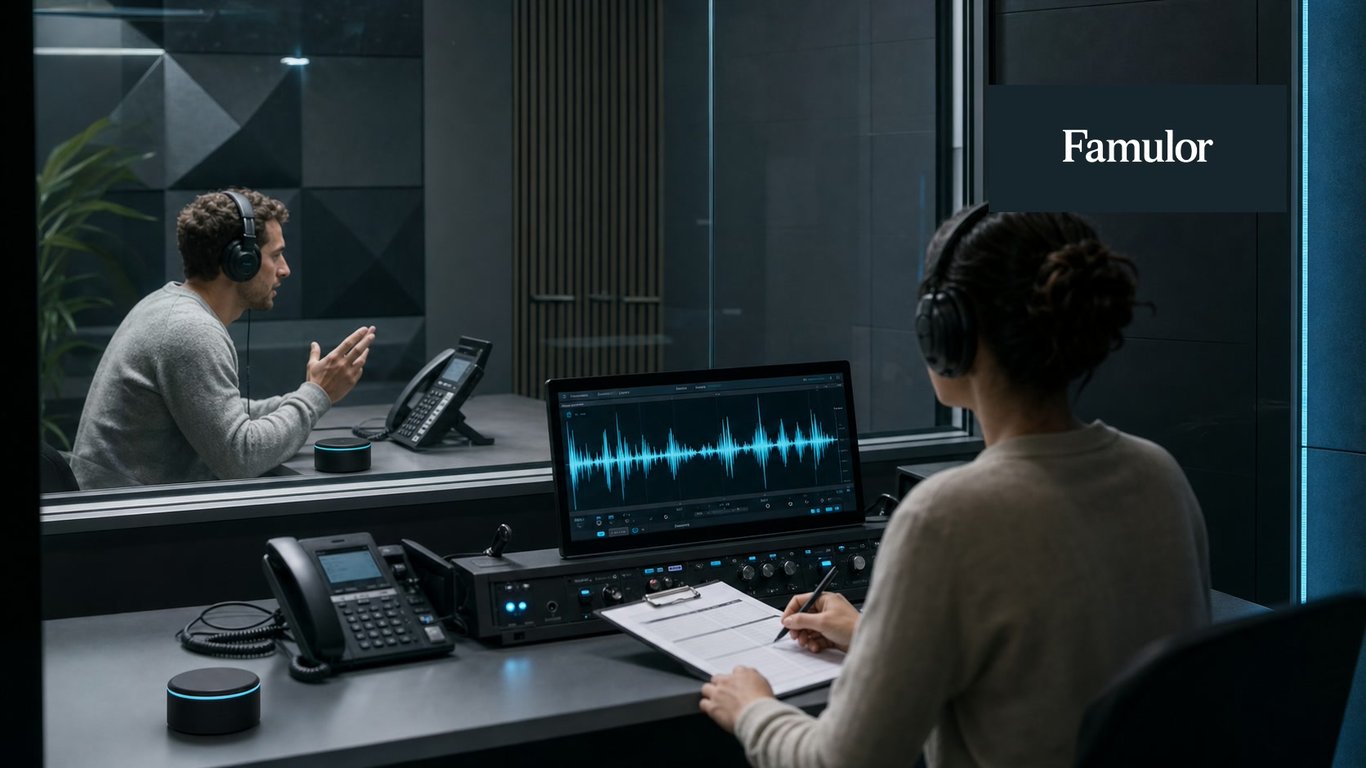
Een stille desktoptest is niet genoeg. De kwaliteit van barge-in wordt pas zichtbaar onder omstandigheden die lijken op echte klantgesprekken. Bouw een kleine, herhaalbare testmatrix vóór de uitrol.
1. Gecontroleerde basisscenario's
- Onderbreek de agent aan het begin, midden en einde van een zin.
- Gebruik korte tussenwerpsels zoals “ja”, “wacht” en “nee, dat is anders”.
- Controleer of de nieuwe uitspraak volledig wordt opgevangen en de context behouden blijft.
- Verifieer dat de agent niet per ongeluk dezelfde zin herhaalt na een onderbreking.
2. Valse triggers
- Televisie of radio op de achtergrond
- Typen, deuren, vaatwerk en straatlawaai
- Hoesten, lachen en korte bevestigingsgeluiden
- Echo via de speakerphone
- Een tweede persoon in de ruimte
3. Kritieke volledige passages
Test openingstijden, opties met meerdere onderdelen, cijfers, adressen en goedkeuringstaal terwijl je bewust door de agent heen praat. Wanneer onderbrekingen zijn uitgeschakeld, moet de passage betrouwbaar worden afgerond. De agent moet daarna de reactie van de beller oppikken zonder het gesprek onnodig opnieuw te starten.
4. Echte telefonie-omstandigheden
Herhaal de tests via mobiele netwerken, SIP, headsets, speakerphones en een zwakke verbinding. Gebruik verschillende stemmen, spreeksnelheden en accenten. Famulor raadt aan om elke relevante wijziging te valideren met een korte testoproep of kleine campagne; de gids voor assistent-testen biedt een gestructureerd startpunt.
Pipeline, Speech-to-Speech of Dualplex™: de beslissing blijft operationeel
De juiste onderbrekingsinstelling wordt niet alleen bepaald door de technische engine. Pipeline biedt gedetailleerde controle over transcriptie, model en stem. Speech-to-Speech geeft prioriteit aan een bijzonder directe, natuurlijke dialoog. Dualplex™ combineert snelle multimodale verwerking met stemmen van hoge kwaliteit. Sinds de update kunnen teams in elke modus de operationele keuze maken: onderbreekbaar of volledig.
Dit is belangrijk voor organisaties die meerdere assistenten of gespreksfasen beheren. Een receptie-agent kan bewust conversationeel zijn, terwijl een agent die verantwoordelijk is voor bevestigingen mogelijk een meer gecontroleerde afhandeling vereist. Definieer de regel per proces en documenteer de reden, niet alleen de stand van de schakelaar.
Welke statistieken zijn belangrijk na de go-live?
Evalueer de kwaliteit van onderbrekingen niet alleen op intuïtie. Label in steekproefsgewijze gesprekken ten minste vier gebeurtenissen:
- Echte onderbreking gedetecteerd: De beller was van plan het woord te nemen en kon dat ook doen.
- Valse onderbreking: Ruis of een achtergrondgeluid stopte de agent onbedoeld.
- Gemiste onderbreking: De beller sprak, maar de agent bleef praten.
- Slecht herstel: De agent stopte correct, maar verloor daarna de context of herhaalde zichzelf.
Combineer deze gebeurtenissen met het percentage afgebroken gesprekken, herhaalde vragen, gespreksduur, succesvolle boekingen of procesafrondingen en menselijke overdrachten. Dit verandert een subjectieve “klinkt natuurlijk”-beoordeling in een verdedigbare kwaliteitsbeslissing.
Probeer onze AI-assistent
Ervaar hoe natuurlijk onze AI-telefoonassistent klinkt.
Vul je gegevens in en ontvang binnen enkele seconden een oproep van onze AI-agent.
De agent is getraind om over Famulor-diensten te praten en afspraken te maken.

Demo AI-agent
Famulor medewerker
De beste standaardinstelling is een bewust geteste standaardinstelling
Voor veel conversationele use-cases blijft “Allow interruptions” het juiste startpunt. Voor disclaimers, volledige lijsten, gevoelige cijfers en bindende bevestigingen is ononderbroken afhandeling vaak geschikter. Het gaat erom dat teams de keuze maken voor elk gespreksdoel en deze valideren onder reële omstandigheden.
Famulor kan deze beslissing nu consistent toepassen in Pipeline, Speech-to-Speech en Dualplex™. Begin met een duidelijk afgebakend proces, test echte bronnen van ruis en optimaliseer op basis van gespreksdata. Zo leert Voice AI niet alleen luisteren in een gepolijste demo, maar ook in de dagelijkse bedrijfsvoering.

Auteur bij Famulor