Inhoud samenvatten met:




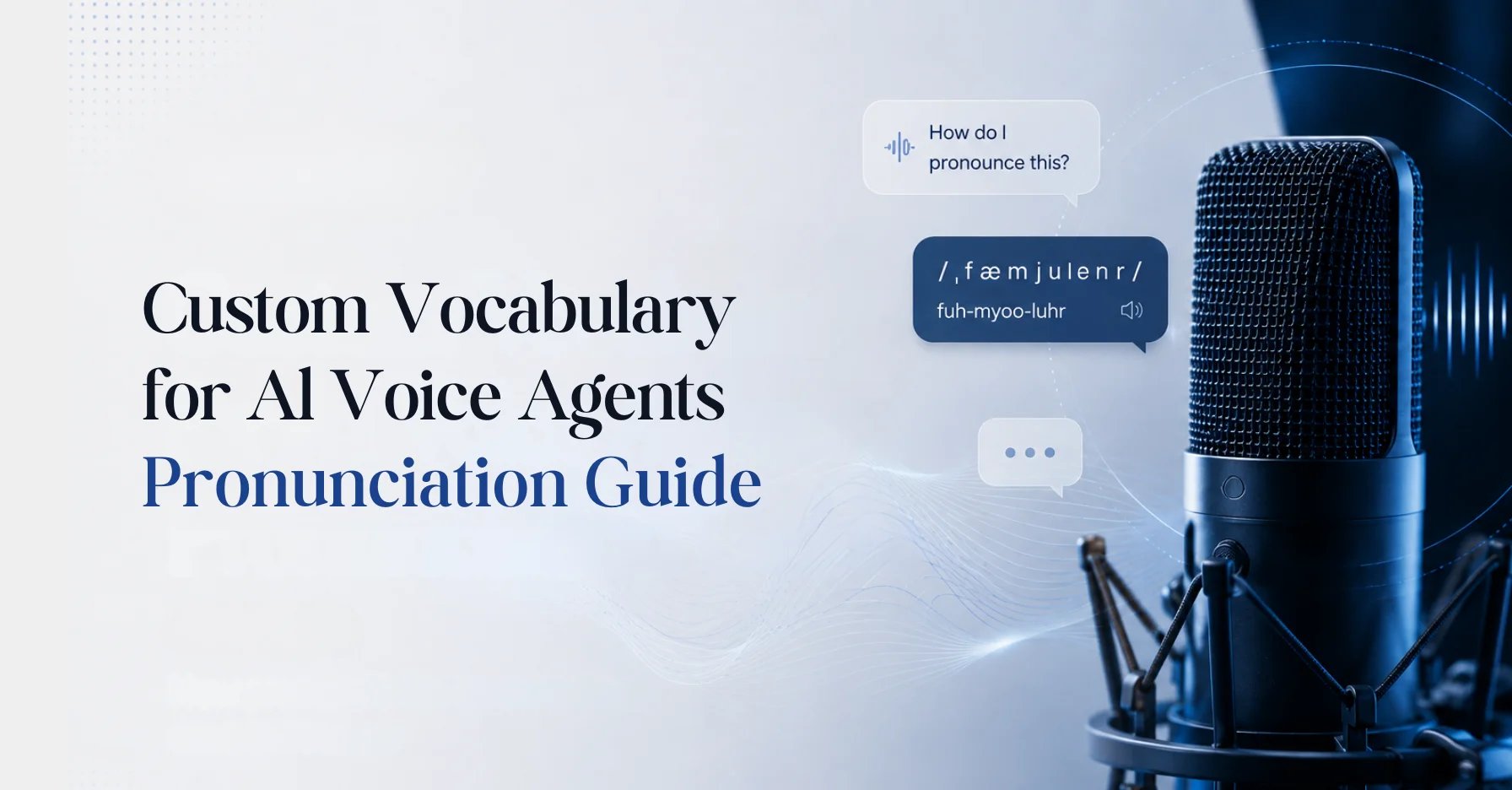
De Famulor-update van 30 augustus 2026 voegt Inworld toe als nieuwe stemleverancier voor AI-assistenten. De changelog vermeldt dat er twee opties beschikbaar zijn en benadrukt de uitspraak en intonatie voor namen, adressen en cijfers. Dat is cruciaal in telefonische workflows waar een prettige stem alleen niet volstaat. Een verkeerd uitgesproken straatnaam of een onduidelijke reeks cijfers kan de volgende processtap onbruikbaar maken.
De juiste vraag is daarom niet of de nieuwe stem universeel “sneller” of “beter” is. Test Inworld met de zinnen, data en gesprekspatronen die je assistent daadwerkelijk gebruikt. Eén huidige productbeperking is eveneens belangrijk: in Famulor zijn Inworld-stemmen momenteel bedoeld voor assistenten die zijn geconfigureerd met één taal.
Belangrijkste punten
- Inworld is sinds 30 augustus 2026 beschikbaar als Famulor-stemleverancier.
- Famulor positioneert de nieuwe optie specifiek voor het nauwkeurig uitspreken van namen, adressen en cijfers.
- De huidige Famulor-integratie is bedoeld voor assistenten die in één taal zijn geconfigureerd.
- De meertalige mogelijkheden van de Inworld API moeten niet worden verward met de huidige meertalige configuratie in Famulor.
- Selecteer een stem op basis van een reproduceerbare luistertest, niet op basis van beweringen over latentie of kwaliteit.
Wat is er precies veranderd in Famulor?
De changelog introduceert Inworld als stemleverancier en beschrijft twee selecteerbare varianten met verschillende afwegingen. Er wordt geen koppeling naar specifieke model-ID's gepubliceerd. De labels in je workspace zijn daarom de officiële referentie voor de opties die voor jou beschikbaar zijn.
Je kunt stemmen beluisteren in de Famulor Inworld-stemmenbibliotheek. De algemene documentatie over modellen en stemmen adviseert om eerst een stem te kiezen en daarna telkens één compatibele instelling te wijzigen. De getoonde instellingen hangen af van het geselecteerde model. Belangrijke scenario's moeten opnieuw worden getest na elke wijziging van stem of model.
Deze update vervangt niet de spraakherkenning of het taalmodel. In een pipeline zet STT de spraak van de beller om in tekst, bepaalt het LLM wat er gezegd of gedaan moet worden, en produceert TTS het hoorbare antwoord. Inworld beïnvloedt de stemoutput in deze architectuur. Het niet begrijpen van een naam vereist daarom een andere diagnose dan het niet correct uitspreken van die naam.
Waar is Inworld het meest relevant?
De nieuwe optie is vooral het overwegen waard wanneer gesproken output betrouwbaar concrete data moet overbrengen.
| Gespreksscenario | Typische testdata | Waar op te letten |
|---|---|---|
| Afspraakbevestiging | datum, tijd, dag van de week | duidelijke nadruk en nuttige pauzes |
| Adresbevestiging | straat, huisnummer, stad, postcode | correcte woordgrenzen en groepering van cijfers |
| Naambevestiging | persoons-, bedrijfs- en productnamen | uitspraak, accent en consistentie |
| Referentienummer | boekings-, ticket- of casenummer | geen ontbrekende tekens en logische groepering |
| Terugbelgegevens | telefoonnummer en tijdvenster | begrijpelijk tempo en betrouwbare herhaling |
Dit maakt Inworld niet automatisch de beste keuze voor elke assistent. Een emotionele begroeting, een kort statusgesprek en het oplezen van complexe productcodes stellen verschillende eisen. Gebruik dezelfde testset voor Inworld en je huidige stem. Zo vergelijk je de daadwerkelijke workflow in plaats van irrelevante demo's.
Wanneer een vakterm eerst correct moet worden getranscribeerd en daarna correct moet worden uitgesproken, scheid dan input van output. De bestaande gids voor uitspraakwoordenboeken voor AI-spraakassistenten behandelt TTS-output. Voor input is de woordenlijst voor spraakherkenning de relevante instelling.
De belangrijkste grens: meertalige ondersteuning van de leverancier is geen meertalige ondersteuning van het platform
De openbare modeldocumentatie van Inworld beschrijft momenteel Realtime TTS-2 en Realtime TTS-2 Flash. De leverancier documenteert een brede dekking van talen en regio's voor die modelfamilie. De taaldocumentatie bevat meer dan 200 talen en regio's.
Famulor hanteert nog steeds een nauwere productregel: de changelog stelt dat Inworld-stemmen momenteel bedoeld zijn voor assistenten die één taal spreken. Wanneer er extra talen worden geconfigureerd, verwijst Famulor gebruikers momenteel naar ElevenLabs of Cartesia, en de stemkiezer houdt rekening met die beperking.
Deze uitspraken zijn niet tegenstrijdig. Ze beschrijven een model en een specifieke platformintegratie op verschillende niveaus. Een leverancier kan mogelijkheden bieden die een platform niet in elke modus heeft ingeschakeld. Plan een meertalige uitrol niet alleen op basis van de Inworld API-documentatie. Controleer de configuratie in je Famulor-workspace en test elke vereiste taal in de beoogde assistent.
Het Hacker News-signaal: minder milliseconden garanderen geen betere stem
In een Hacker News-discussie van 21 augustus 2026 over zeer snelle TTS-output, benadrukten experts de tijd tot de eerste audio (time-to-first-audio). Verschillende reacties beschreven ook een kwaliteitsgrens: cadans, expressie, stemkwaliteit en de volledige spraakpipeline kunnen belangrijker zijn dan het optimaliseren van één enkel onderdeel.
Dit is een community-signaal, geen benchmark voor Inworld of Famulor. Het wijst wel op de vragen die een zinvolle test moet beantwoorden. Hoe snel begint het antwoord in een echt telefoongesprek? Blijft de stem stabiel tijdens langere zinnen? Zijn cijferreeksen makkelijk te begrijpen? Blijft het onderbreken van de assistent soepel verlopen? De latentiemeting aan de serverzijde van een leverancier kan al deze vragen niet beantwoorden, omdat telefonie, het detecteren van beurten, het LLM en het audiotransport ook bijdragen aan de ervaren responstijd.
Een reproduceerbaar testplan in vijf stappen
1. Bouw een vaste testset op
Gebruik 15 tot 25 korte uitingen uit echte gesprekspatronen. Dek namen, straten, steden, telefoonnummers, tijden, decimalen, afkortingen en ten minste één langere verklarende zin. Gebruik geen echte persoonsgegevens als de test dit niet vereist.
2. Wijzig slechts één variabele
Houd de prompt, STT, LLM, gespreksverloop en telefoonverbinding ongewijzigd. Schakel eerst alleen de stem of Inworld-optie om. Hierdoor zijn verschillen aannemelijker toe te schrijven aan de TTS-output.
3. Test zowel de preview als het echte audiopad
Een tekst-preview onthult de uitspraak en het stemkarakter, maar niet de volledige telefoonervaring. Voeg een echte testoproep of spraaksimulatie toe. Beoordeel het begin van het antwoord, het volume, pauzes, onderbrekingen en langere dialoogbeurten.
4. Score met een eenvoudige matrix
Markeer elk geval als “correct”, “begrijpelijk met beperkingen” of “onacceptabel”, gevolgd door een korte observatie. Vermijd decimale scores die meer precisie suggereren dan een kleine groep luisteraars en testset kunnen ondersteunen.
5. Herhaal kritieke gevallen
Eén succesvolle run is niet genoeg. Herhaal belangrijke namen, adressen en cijfers in verschillende zinnen. Pas daarna één compatibele instelling of woordenboekvermelding aan en voer dezelfde testset opnieuw uit.
Hoe te kiezen zonder hype rond trefwoorden of functies
Kies Inworld wanneer je configuratie in één taal kritieke zinnen consistenter overbrengt en het volledige gesprekspad in de workflow past. Behoud je huidige stem wanneer deze beter past bij het merkkarakter, meertalige werking of een gespecialiseerde spreekstijl. De algemene gids voor het kiezen van een TTS-leverancier ondersteunt de bredere architectuurbeslissing. Dit artikel richt zich bewust op de nieuwe Inworld-productupdate en de bijbehorende uitroltest.
Controleer vóór een brede overstap ook je fallback-configuratie. Volgens de Famulor-modelreferentie kunnen compatibele fallback-ketens overschakelen naar een geschikt alternatief wanneer de primaire stemdienst fouten geeft, mits de relevante planfunctie is inbegrepen. Bevestig de beschikbaarheid en zichtbare opties direct onder Instellingen → Plan en in de assistent-editor.
Conclusie: nauwkeurige spraak vereist een nauwkeurige test
Inworld breidt de stemselectie van Famulor uit met een optie die de changelog specifiek aanbeveelt voor namen, adressen en cijfers. De sterkste use-case is niet het vervangen van elke stem, maar het verbeteren van kritieke output in een assistent die in één taal werkt. Scheid de mogelijkheden van de leverancier van de huidige Famulor-integratie, vergelijk één variabele tegelijk en evalueer de volledige telefoonervaring. Dat maakt van een nieuw model een traceerbare productbeslissing.
Sarah Müller schrijft bij Famulor over Voice AI, telefonie en praktische automatisering. Productdetails in dit artikel zijn op 31 augustus 2026 gecontroleerd aan de hand van de gelinkte documentatie.

Auteur bij Famulor