Summarize Content With:




iOS 27 Siri AI and the New Era of Business Phone Automation
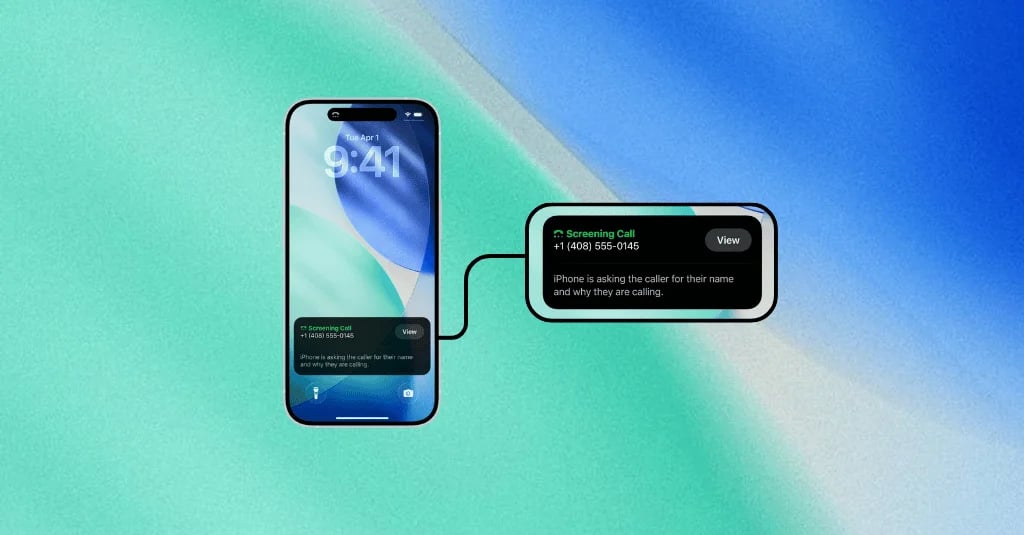
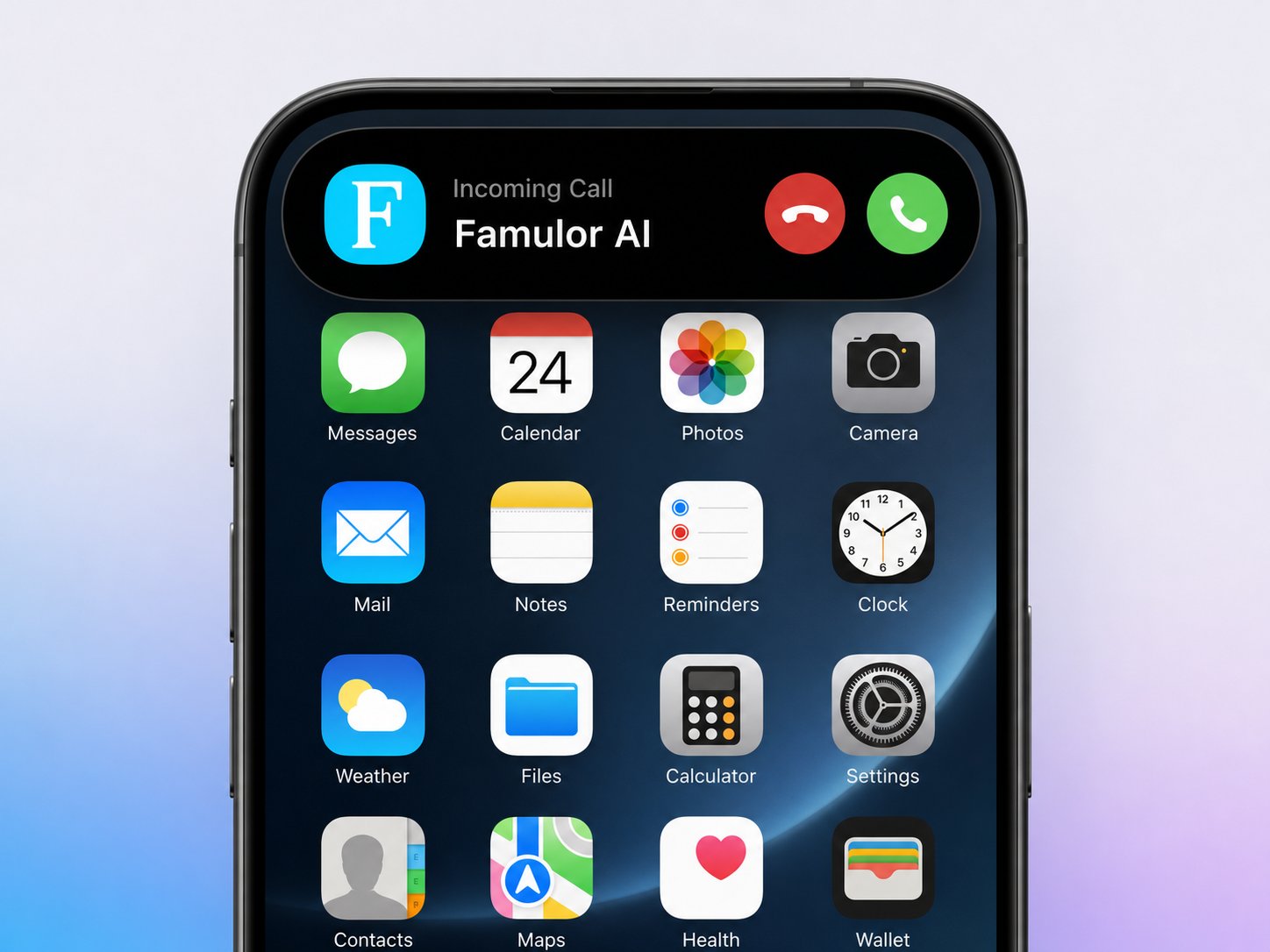
Apple's iOS 27 transforms Siri into a genuine AI agent — one that can make calls, negotiate appointments, and interact with automated phone systems on behalf of the user. For businesses relying on traditional IVR menus or basic voicemail, this shift is not incremental: it is a fundamental change in how customers will reach you. The question is no longer whether to deploy an AI phone assistant, but whether your current system can handle what Apple's 200 million iPhone users are about to throw at it.
With Default Assistant Extensions and multi-model AI processing, Siri in iOS 27 can understand context, recall previous conversations, and execute multi-step tasks autonomously. For business phone systems, this means the caller on the other end may itself be an AI — one that expects fast, structured responses and zero hold time. Companies that still funnel callers through rigid press-1-for-sales trees will lose customers to competitors whose AI phone assistants can hold a natural conversation and resolve requests in real time.
What iOS 27 Siri AI Actually Changes
Apple's WWDC 2025 announcement introduced three capabilities that directly affect business telephony. First, Default Assistant Extensions allow third-party AI models — including ChatGPT, Gemini, and specialized enterprise agents — to replace Siri as the primary voice assistant on any iPhone. This means callers may use a highly capable AI agent to interact with your phone system, not just a basic voice command tool. Second, App Intents with AI orchestration let Siri chain together multiple actions: checking a calendar, calling a business, confirming an appointment, and adding it to the user's schedule — all in one flow. Third, on-device processing combined with cloud AI gives Siri the ability to handle complex requests locally while escalating to large language models for nuanced understanding.
For businesses in Europe, the EU Digital Markets Act accelerates this shift. Apple is required to open its platform to competing AI assistants, which means iPhone users in Germany, France, and across the EU will have even more AI-powered calling options than users elsewhere. The diversity of AI agents calling your business line will only increase.
Traditional IVR vs AI Phone Assistants: Why Legacy Systems Fail
The gap between traditional Interactive Voice Response systems and modern AI phone assistants has never been wider. When an AI-powered caller encounters a rigid IVR tree, the interaction breaks down because the caller's AI expects conversational responses, not numbered menu options.
| Capability | Traditional IVR | AI Phone Assistant (e.g. Famulor) |
|---|---|---|
| Natural language understanding | Limited to keywords | Full conversational AI in 40+ languages |
| AI-to-AI communication | Not supported | Structured, real-time dialogue |
| Appointment booking | Requires human agent | Automated via calendar integrations |
| After-hours handling | Voicemail only | Full service 24/7 without staffing |
| CRM integration | Manual data entry | Automatic sync via 300+ integrations |
| SIP trunking support | Basic | Full SIP trunking with any VoIP/PBX provider |
| Multilingual support | Separate number per language | Single number, automatic language detection |
| Setup complexity | Weeks of configuration | No-code setup in hours |
The core problem is architectural. IVR systems were designed for human callers pressing buttons. When Siri AI or another voice agent calls on behalf of a user, it does not press buttons — it speaks naturally and expects the same in return. A business phone system that cannot engage in genuine dialogue will route these calls to voicemail or drop them entirely, losing revenue with every missed interaction.
Five Industries Where iOS 27 Siri AI Changes the Game
Healthcare practices. A dental office in Munich receives 120 calls per day. With iOS 27, patients will simply tell Siri: "Book me a cleaning at my dentist next Thursday afternoon." Siri's AI agent calls the practice, negotiates available slots with the AI phone assistant, confirms the appointment, and adds it to the patient's calendar — all without the patient dialing a number. Practices without an AI phone system will lose these bookings to competitors who can handle AI-to-AI scheduling seamlessly.
Real estate agencies. A property buyer asks Siri to call five agencies about available apartments in Berlin-Mitte under 500,000 euros. Siri's agent calls each one sequentially, collects availability, pricing, and viewing times, then presents a summary. Agencies using an AI phone assistant can respond instantly with accurate listings pulled from their CRM. Those still using voicemail will not even appear in the buyer's comparison.
E-commerce and retail. A customer tells Siri: "Check my order status at that online store I bought from last week." The AI agent calls the business, verifies the customer's identity, retrieves shipment tracking, and reports back. Companies using an AI phone assistant with 300+ integrations can pull order data from Shopify, WooCommerce, or any connected system in real time.
Legal firms. A potential client asks Siri to find a lawyer who handles employment disputes and schedule a consultation. Siri's agent calls multiple firms, asks about specialization, availability, and initial consultation fees. Law firms with an AI phone assistant can qualify the lead, check attorney calendars, and book the consultation — all during a single AI-to-AI conversation that takes under 90 seconds.
Trades and home services. A homeowner tells Siri: "Find a plumber who can come tomorrow morning for a leaking pipe." Siri's AI calls local plumbing businesses, checks availability, gets quotes, and books the earliest slot. Tradespeople who rely on missed-call callbacks will lose jobs to competitors whose AI phone system answers every call instantly, even at 6 AM on a Saturday.
How to Prepare Your Business Phone System: A Step-by-Step Guide
Step 1: Audit your current call handling. Review how your business currently handles inbound calls. If callers reach a voicemail, an IVR menu, or simply ring without answer outside business hours, you have an immediate vulnerability. Use your call logs to count missed calls — each one represents a potential customer who may never call back once Siri can call your competitor instead.
Step 2: Deploy an AI phone assistant. Replace or augment your existing phone system with a conversational AI phone assistant. Famulor's platform requires no coding and connects to your existing phone number via SIP trunking, so there is no need to change your number or your telephony provider. The AI answers calls in natural language, handles appointments, answers FAQs, and routes complex requests to human staff.
Step 3: Connect your business tools. The value of an AI phone assistant multiplies when it has access to your business data. Connect your CRM, calendar, booking system, and inventory management through Famulor's integration platform. With over 300 pre-built integrations, your AI can check real-time availability, pull customer records, and update your systems — all during the call.
Step 4: Configure multilingual support. iOS 27 Siri AI operates in dozens of languages. If your business serves international customers or operates in a multilingual region, your AI phone assistant must match that capability. Famulor supports over 40 languages with automatic language detection, so a caller speaking French is answered in French — no separate phone lines required.
Step 5: Test with AI callers. Before iOS 27 rolls out widely, test your system by calling it with different AI assistants. Use Siri, Google Assistant, and Alexa to call your business number. If any of them get stuck in a menu loop, reach voicemail unnecessarily, or cannot complete a basic request, fix the issue before millions of AI-enhanced callers encounter the same problem.
Best Practices and Common Mistakes
The most common mistake businesses make when preparing for AI-enhanced callers is treating the transition as a simple technology upgrade. It is not. The shift requires rethinking your entire inbound call strategy.
Do not keep IVR menus as a fallback. Some businesses add an AI layer on top of their existing IVR, but keep the menu as a fallback route. This creates confusion for AI callers that may get routed into the legacy system. Replace the IVR entirely with conversational AI that handles all scenarios.
Ensure sub-three-second response times. AI callers — whether Siri, Google, or a custom enterprise agent — have tight timeout windows. If your phone system takes more than three seconds to respond after the caller finishes speaking, the AI may interpret the silence as a dropped call and hang up. Modern AI phone assistants like Famulor use low-latency speech synthesis and processing to maintain conversational pace.
Train your AI on actual customer scenarios. Do not deploy an AI phone assistant with generic responses. Upload your actual FAQs, service descriptions, pricing information, and booking rules to your knowledge base. The more specific your AI's training data, the better it handles both human callers and AI agents.
Monitor AI-to-AI call quality. Set up regular reviews of calls where the caller was identified as an AI agent. These calls have different patterns than human calls — they are typically faster, more structured, and less tolerant of ambiguity. Use call analytics to identify failure points and continuously refine your AI's responses.
Do not forget outbound capabilities. iOS 27 does not only affect inbound calls. Your business can use outbound AI calling to proactively reach customers — confirming appointments, following up on quotes, qualifying leads — before their AI assistant reaches out to your competitors.
Estimate your ROI from automating calls
See how much your business could save by switching to AI-powered voice agents.
ROI Result
ROI 0%
No credit card required
Conclusion: Act Before iOS 27 Launches, Not After
Apple's iOS 27 will ship in September 2026, but the time to prepare is now. Businesses that deploy an AI phone assistant today will have months to refine their system, train their AI on real scenarios, and build the integrations that make AI-to-AI communication seamless. Those who wait until AI-enhanced Siri callers start reaching their phone lines will scramble to catch up while losing customers to prepared competitors.
Famulor offers a complete AI phone assistant platform with no-code setup, SIP trunking compatibility with any provider, 40+ language support, and over 300 integrations — everything your business needs to handle the new generation of AI-powered callers. Start with a free demo and see how your business sounds when every call is answered intelligently, instantly, and in any language.
Try our AI Assistant
Experience how natural our AI phone assistant sounds.
Enter your details and receive a call from our AI agent within seconds.
Agent is trained to discuss Famulor services and book appointments.

Demo AI agent
Famulor representative
FAQ
What is iOS 27 Siri AI and how does it affect business calls?
iOS 27 transforms Siri into an autonomous AI agent that can make phone calls, book appointments, and interact with business phone systems on behalf of the user. Businesses need AI phone assistants that can handle these AI-to-AI conversations naturally.
Can Siri in iOS 27 replace human callers entirely?
For routine tasks like appointment booking, order status checks, and information requests, yes. Siri's AI agent can handle complete call flows autonomously. Complex or emotional conversations will still involve human callers, but the volume of AI-initiated calls will grow significantly.
Will my existing IVR system work with AI callers from iOS 27?
Traditional IVR menus with press-button navigation are poorly suited for AI callers. Siri and other AI agents expect natural language dialogue. Businesses should replace IVR with conversational AI phone assistants to avoid lost calls.
How does the EU Digital Markets Act affect Siri AI availability?
The DMA requires Apple to allow third-party AI assistants as default voice agents on iPhones in the EU. This means European businesses will encounter an even wider variety of AI callers, making robust AI phone systems more important than in other markets.
What is the difference between SIP trunking and traditional phone lines for AI calls?
SIP trunking delivers voice calls over the internet and integrates directly with AI phone assistants. Traditional analog lines cannot connect to AI systems without additional hardware. SIP trunking also reduces telephony costs and supports unlimited concurrent calls.
How many languages can an AI phone assistant handle?
Famulor's AI phone assistant supports over 40 languages with automatic language detection. When a caller — human or AI — speaks in any supported language, the system responds in the same language without manual switching.
How long does it take to set up an AI phone assistant?
With a no-code platform like Famulor, basic setup takes hours, not weeks. You connect your existing phone number via SIP trunking, configure your business rules and knowledge base, and the AI starts answering calls. Full optimization with CRM integrations and custom workflows typically takes one to two weeks.
What happens to calls that the AI cannot handle?
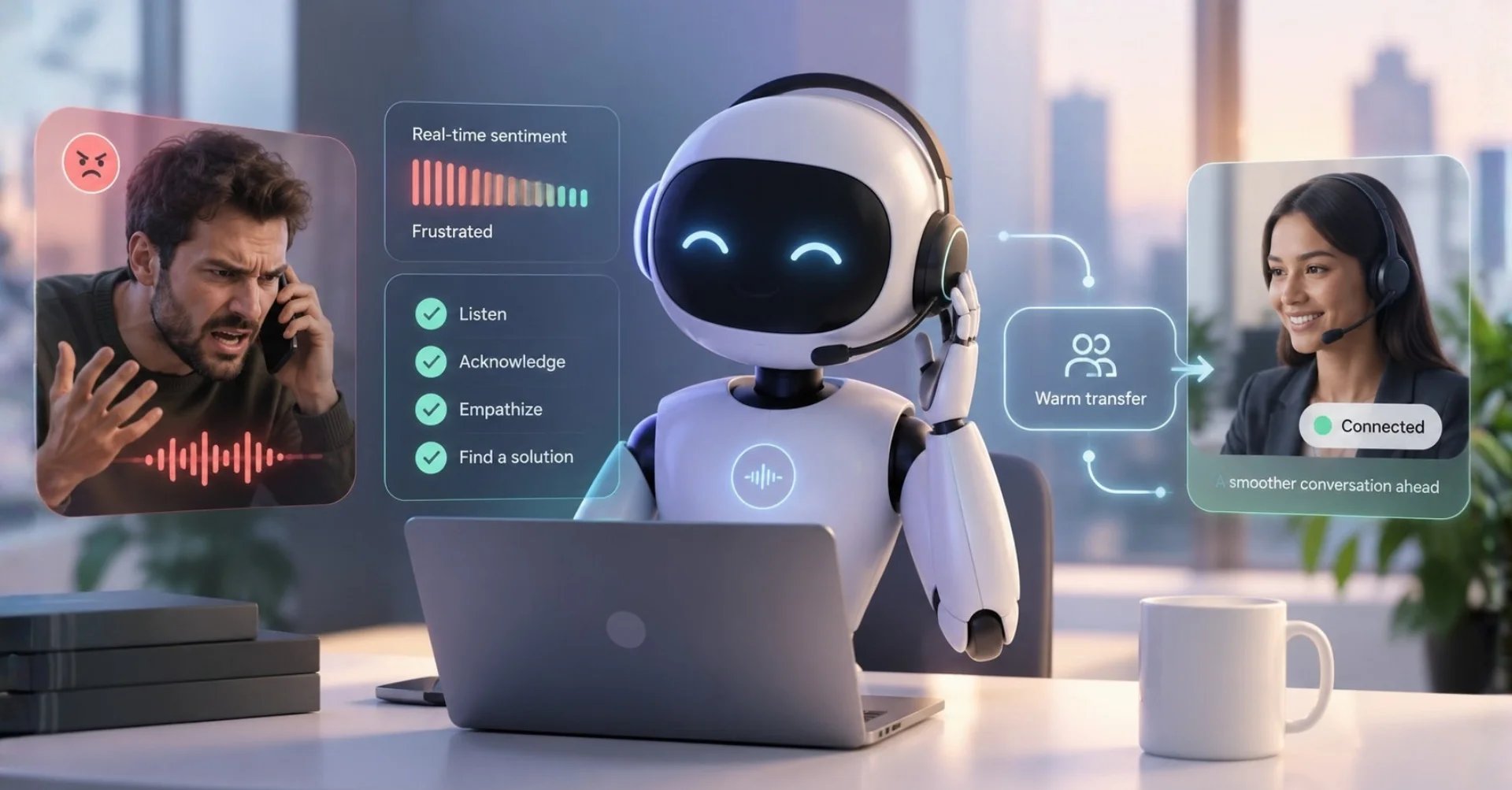
Well-configured AI phone assistants route complex or sensitive calls to human agents with full context from the conversation. The caller does not need to repeat information. This hybrid approach ensures no call falls through the cracks while reducing routine call volume by up to 80 percent.
Is an AI phone assistant suitable for small businesses?
Especially for small businesses. A solo tradesperson or a three-person law firm cannot afford to miss calls while working. An AI phone assistant answers every call 24/7, books appointments, and qualifies leads — functioning like a dedicated receptionist at a fraction of the cost. Check Famulor's pricing for plans that fit any business size.
How do AI phone assistants handle data privacy and GDPR?
Reputable AI phone assistant providers process data in compliance with GDPR and European data protection regulations. Famulor operates on EU-based infrastructure, ensures transparent data processing, and provides configurable data retention settings so businesses maintain full control over customer information.

Writer at Famulor